In my rehabilitation sessions in New York, I always emphasize that the brain is a muscle—if you don’t use it, you lose it. Cognitive decline isn’t an inevitable part of aging; often, it’s a result of lack of stimulation.
We have more tools than ever to keep our minds sharp. “Brain gaming” isn’t just about passing time; it’s about building “cognitive reserve.” This reserve acts as a buffer against memory loss and helps maintain the executive functions needed for independent living, like managing medications or following a recipe.
Here are my top 5 expert-recommended brain games to keep your mind agile and your memory strong.
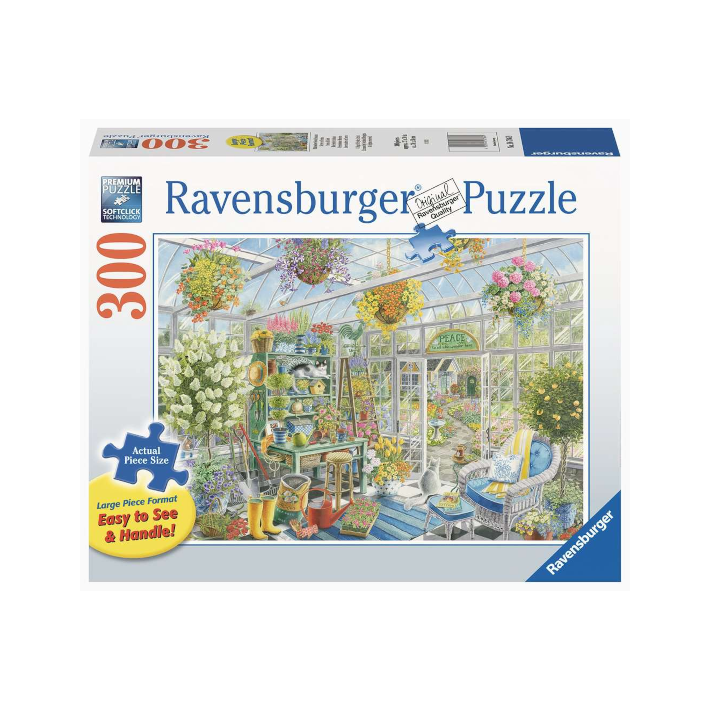
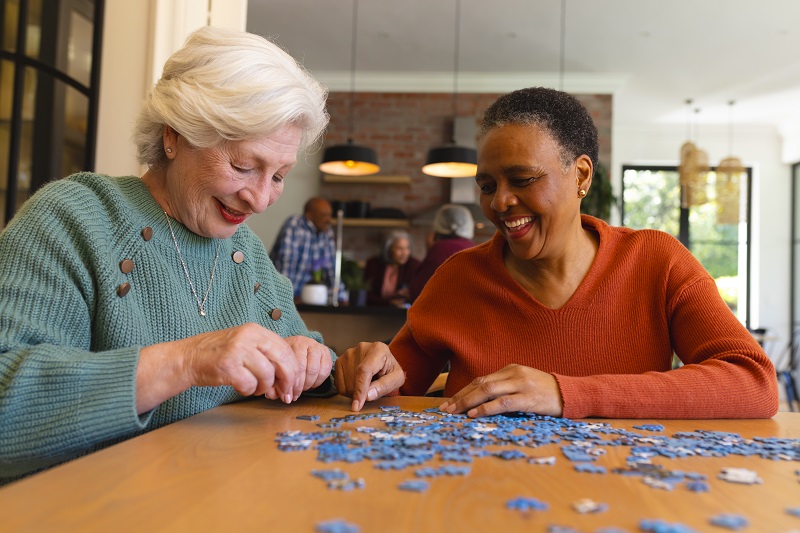
1. The Classic Gold Standard: High-Quality Jigsaw Puzzles
Jigsaw puzzles are a powerhouse for the brain because they require “simultaneous cognitive processing”—you are looking at individual pieces (detail) while keeping the big picture (strategy) in mind.
-
Why I Recommend It: Puzzles engage both the left (logical) and right (creative) hemispheres of the brain. They improve visuospatial reasoning and short-term memory as you scan for specific colors and shapes.
-
Pros: Low-tech, relaxing, and can be a social activity with grandchildren.
-
Cons: Requires a dedicated flat surface; small pieces can be hard for arthritic hands (opt for “Large Piece” versions).
-
Best For: Improving visual recognition and patience.
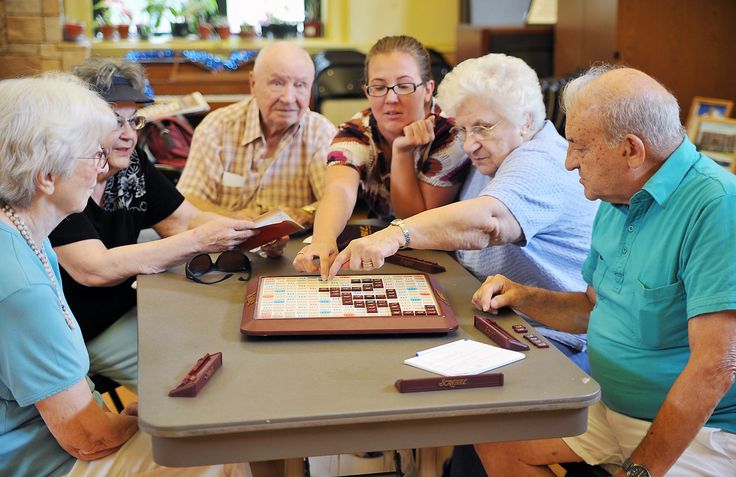
2. Best for Language & Strategy: Scrabble (or Words With Friends)
Vocabulary games are excellent for “semantic memory”—the ability to recall meanings, ideas, and concepts.
-
Why I Recommend It: Scrabble forces the brain to rearrange letters to create patterns. This “anagramming” strengthens the connections in the language centers of the brain. In 2026, many seniors use the digital version (Words With Friends) to play with family members across the country, adding a vital social component to the mental workout.
-
Pros: Builds vocabulary, encourages social interaction, and rewards strategic thinking.
-
Cons: Can be competitive (keep it fun!); requires a partner.
-
Best For: Preventing word-finding difficulties (aphasia).
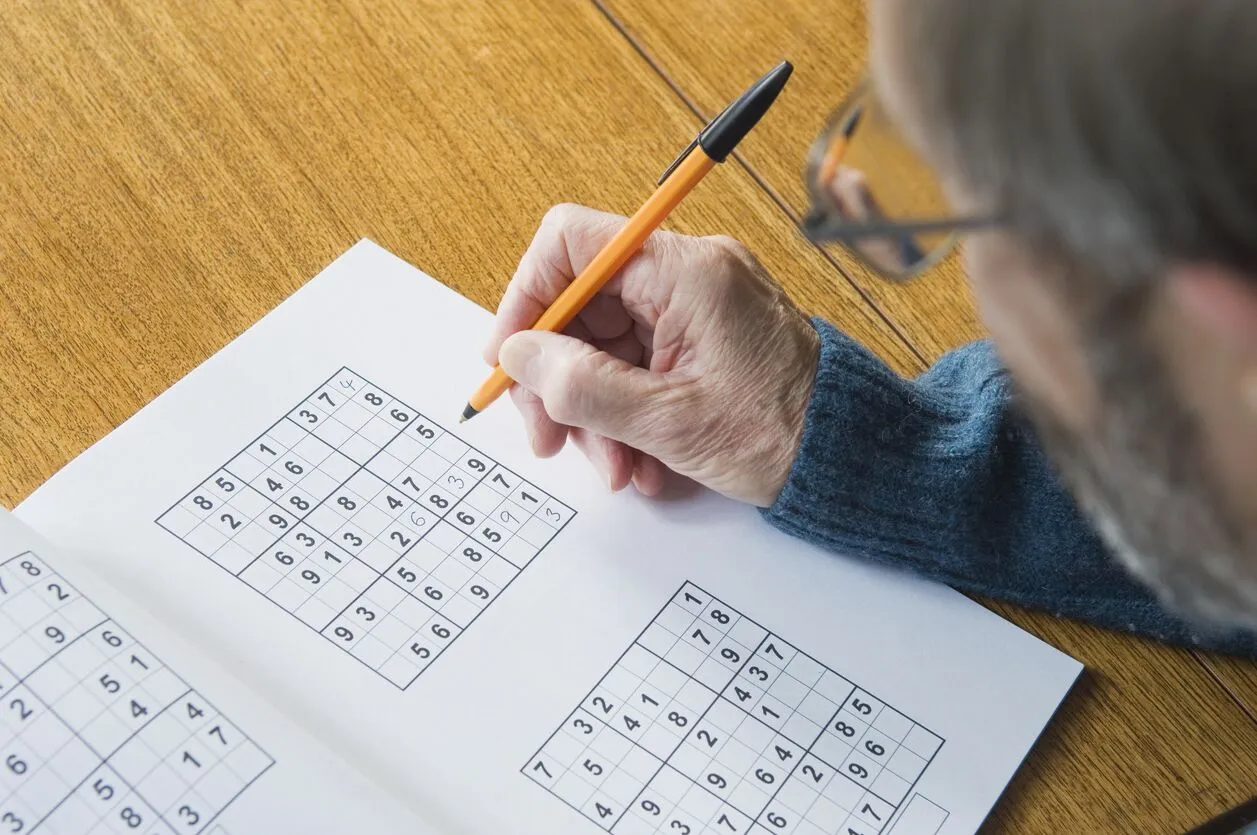
3. Best for Logic: Sudoku (Large Print Editions)
Sudoku is a game of “deductive reasoning.” It has nothing to do with math and everything to do with logic and pattern recognition.
-
Why I Recommend It: To solve a Sudoku, you have to keep multiple possibilities in your “working memory” at once. This strengthens the prefrontal cortex, the area of the brain responsible for decision-making.
-
Pros: Portable, available in many difficulty levels, and provides a great sense of accomplishment.
-
Cons: Can be frustrating for beginners; requires good vision (always choose Large Print).
-
Best For: Logical processing and concentration.
4. Best Digital Trainer: Lumosity (App-Based Training)
While I love physical games, digital platforms like Lumosity offer something unique: adaptive difficulty.
-
Why I Recommend It: Lumosity was designed by neuroscientists to target specific areas like speed, memory, and attention. The app tracks your “LPI” (Lumosity Performance Index), allowing you to see your progress over months. It adjusts the difficulty in real-time—if a game is too easy, it gets harder, ensuring your brain is always being challenged.
-
Pros: Scientific tracking, variety of games (over 50), easy to use on a tablet or iPad.
-
Cons: Requires a smartphone/tablet and a subscription for full access.
-
Best For: Daily, structured cognitive “workouts.”

5. Best for Coordination: Handheld Electronic “Simon”
This retro-classic is making a comeback in senior care for a good reason: it combines auditory and visual memory with physical reaction time.
-
Why I Recommend It: Simon requires you to remember a sequence of lights and sounds and then repeat them. This “sequential memory” is exactly what we use when we follow multi-step directions. The physical act of pressing the buttons also helps with hand-eye coordination.
-
Pros: Instant feedback, improves reaction speed, fun and nostalgic.
-
Cons: Can be noisy (though most have volume control).
-
Best For: Improving focus and physical-mental synchronization.
Joshua’s “Brain Health” Prescription:
-
Variety is Key: Don’t just do Sudoku. If you only do one type of game, your brain becomes efficient at that specific task but stops growing. Cross-train your brain!
-
The “15-Minute Rule”: You don’t need hours of gaming. 15 to 30 minutes a day is the “sweet spot” for maintaining cognitive health without causing mental fatigue.
-
Combine with Movement: The best “brain boost” happens when you exercise your body and your mind. Try a walk outside followed by a quick memory game.
Stay Sharp. Stay Independent. Age at Ease.
Disclosure: As an Amazon Associate, I earn from qualifying purchases. This helps support our mission to provide expert safety advice to seniors and their families.
Read too: 5 Best Chair Yoga Poses for Seniors with Limited Mobility