In my physical therapy practice in New York, I often see “home confinement” not because a senior can’t walk, but because their home has two or three steps at the entrance that they can no longer navigate safely. Whether you are using a walker, a manual wheelchair, or a heavy power scooter, a single step can be an insurmountable wall.
Portable ramps are the “keys to the world” for seniors. They allow you to visit family, attend medical appointments, and travel without worrying about architectural barriers. Aluminum alloys have become lighter and folding mechanisms more secure.
Here are my top 5 expert-vetted portable ramps to help you “Aging at Ease” and stay mobile.
1. The Best for Heavy Use: EZ-ACCESS Suitcase Singlefold AS
This is the “gold standard” in the industry. It’s a heavy-duty aluminum ramp that folds in half like a suitcase and has a built-in carrying handle.
-
Why I Recommend It: It features an applied high-traction “slip-resistant” surface that works even when wet. Unlike many cheap ramps, this one doesn’t “flex” or bounce when a heavy power wheelchair or scooter drives over it.
-
Pros: Supports up to 800 lbs, very durable, available in lengths from 2ft to 6ft.
-
Cons: Slightly heavier to carry than basic models.
-
Best For: Power wheelchairs, heavy scooters, and permanent-feeling stability in a portable package.
2. Best for Thresholds: Glidewise Rubber Threshold Ramp
Many seniors don’t need a long ramp; they just need to get over a 1-inch or 2-inch door “lip” or sliding glass door track.
-
Why I Recommend It: Unlike metal ramps, these are made of heavy-duty recycled rubber. They provide a smooth “transition” that is flush with the floor. As a PT, I love these because they eliminate the “trip hazard” of a door threshold for those using walkers.
-
Pros: Can be trimmed with a knife for a perfect fit, slip-resistant, no installation required.
-
Cons: Heavy and not meant for frequent “carrying” between locations.
-
Best For: Walkers and manual wheelchairs navigating doorways inside the home.
3. Best for Travel: Drive Medical Portable Folding Ramp
If you need a ramp that fits easily in the trunk of a car for doctor visits, this is my top pick.
-
Why I Recommend It: It’s exceptionally lightweight for its strength. It comes with a dedicated carry bag, which prevents the metal edges from scratching your car’s interior. The “perforated” surface allows rain and snow to fall through, maintaining grip in bad weather.
-
Pros: Very portable, includes a travel bag, budget-friendly.
-
Cons: Narrower width (30 inches) may not fit very wide bariatric chairs.
-
Best For: Seniors who travel frequently and need a “just in case” ramp for curbs or single steps.
4. Best for High Steps: Silver Spring Multi-Fold Telescoping Ramp
Sometimes a standard 3-foot ramp is too steep. For a porch with 3 or 4 steps, you need length to keep the “incline” safe.
-
Why I Recommend It: This ramp folds both “long-ways” and “wide-ways,” meaning an 8-foot ramp can fold down to the size of a large piece of luggage. It’s a feat of engineering that allows for a safe, gradual slope without needing a van for transport.
-
Pros: Reaches higher elevations safely, extra-wide platform, locking pins for safety.
-
Cons: Requires two people to set up comfortably due to its length.
-
Best For: Seniors with homes that have multiple entry steps or high porches.
5. Best for Vans & SUVs: Prairie View Industries (PVI) Multifold
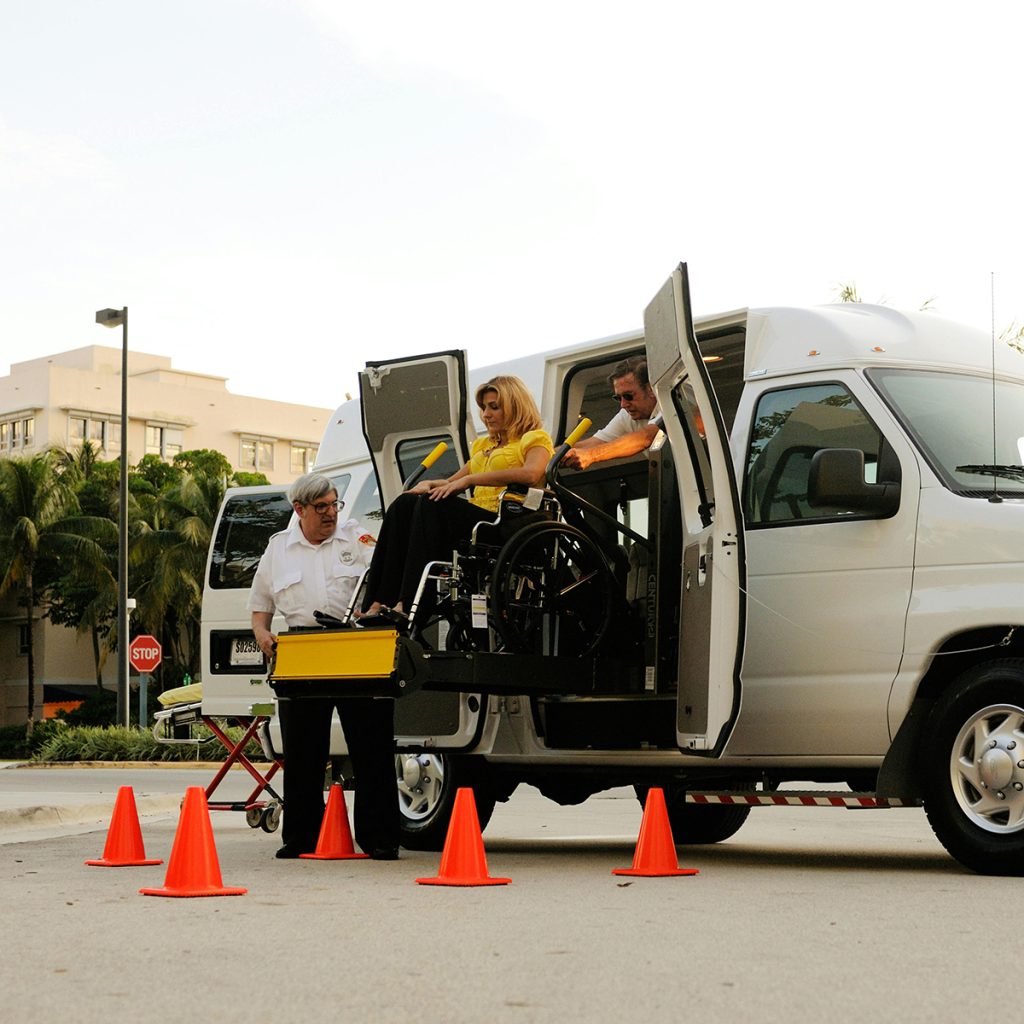
PVI is known for making ramps that can handle the transition from the ground into the side or back of a vehicle.
-
Why I Recommend It: It features an extended “top lip” that rests securely on the bumper of a car or the threshold of a van. This prevents the ramp from slipping backward as the wheelchair starts the climb.
-
Pros: Patented hinge design prevents pinched fingers, high weight capacity, very stable.
-
Cons: One of the most expensive portable options.
-
Best For: Loading manual or power chairs into vehicles for transport.
Joshua’s PT Safety Rules for Ramps:
-
The “1:12” Rule: For every 1 inch of vertical rise (height of the step), you should ideally have 12 inches (1 foot) of ramp length. A ramp that is too short will be too steep and dangerous to climb.
-
Check the “Lip”: Always ensure the top of the ramp is resting at least 2-3 inches onto the solid landing surface. Never “bridge” a gap without a secure overlap.
-
Traction is King: If the ramp doesn’t have a “gritty” sandpaper-like surface or a perforated tread, don’t use it in the rain. A wet metal ramp is as slippery as ice.
Break the Barriers. Aging at Ease.
Disclosure: As an Amazon Associate, I earn from qualifying purchases. This helps support our mission to provide expert safety advice to seniors and their families.
Read too: 5 Best Motion Sensor Lights for Hallways and Stairs: Preventing Nighttime Falls