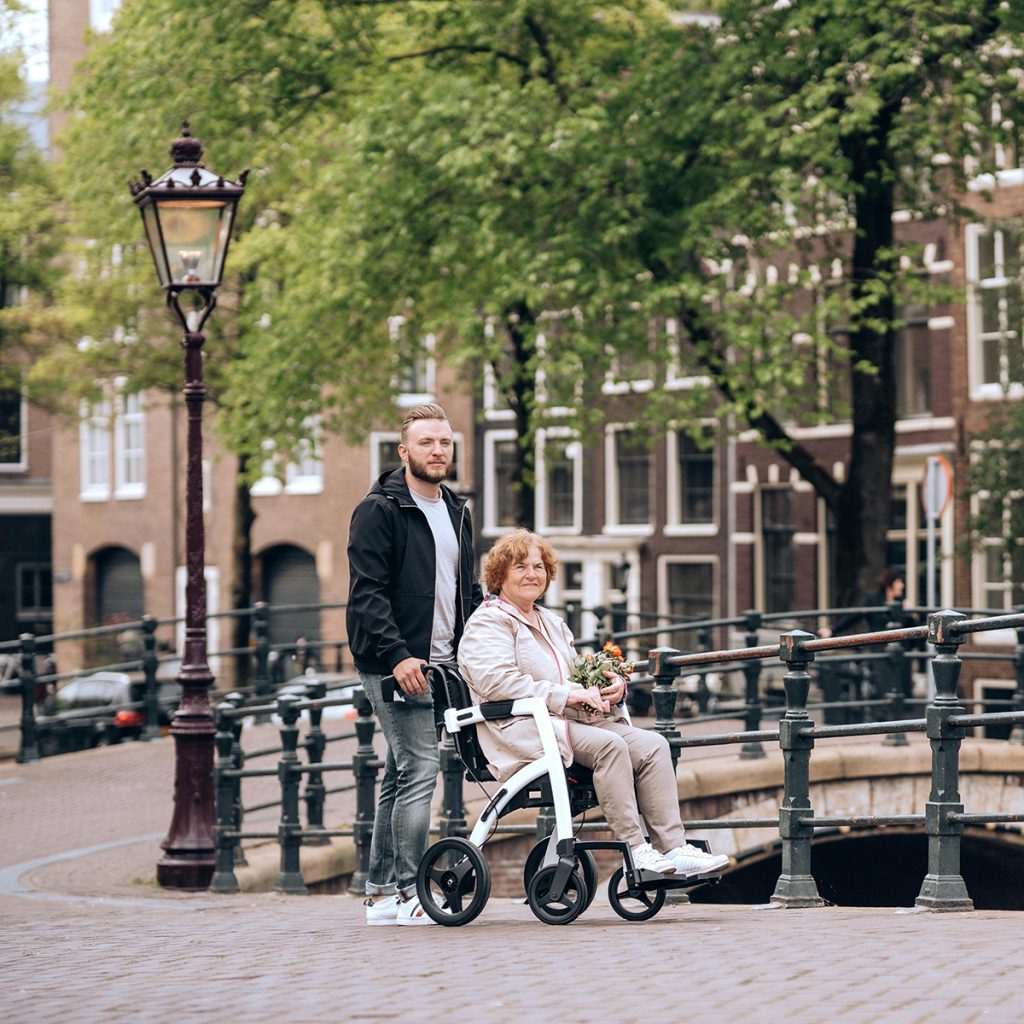
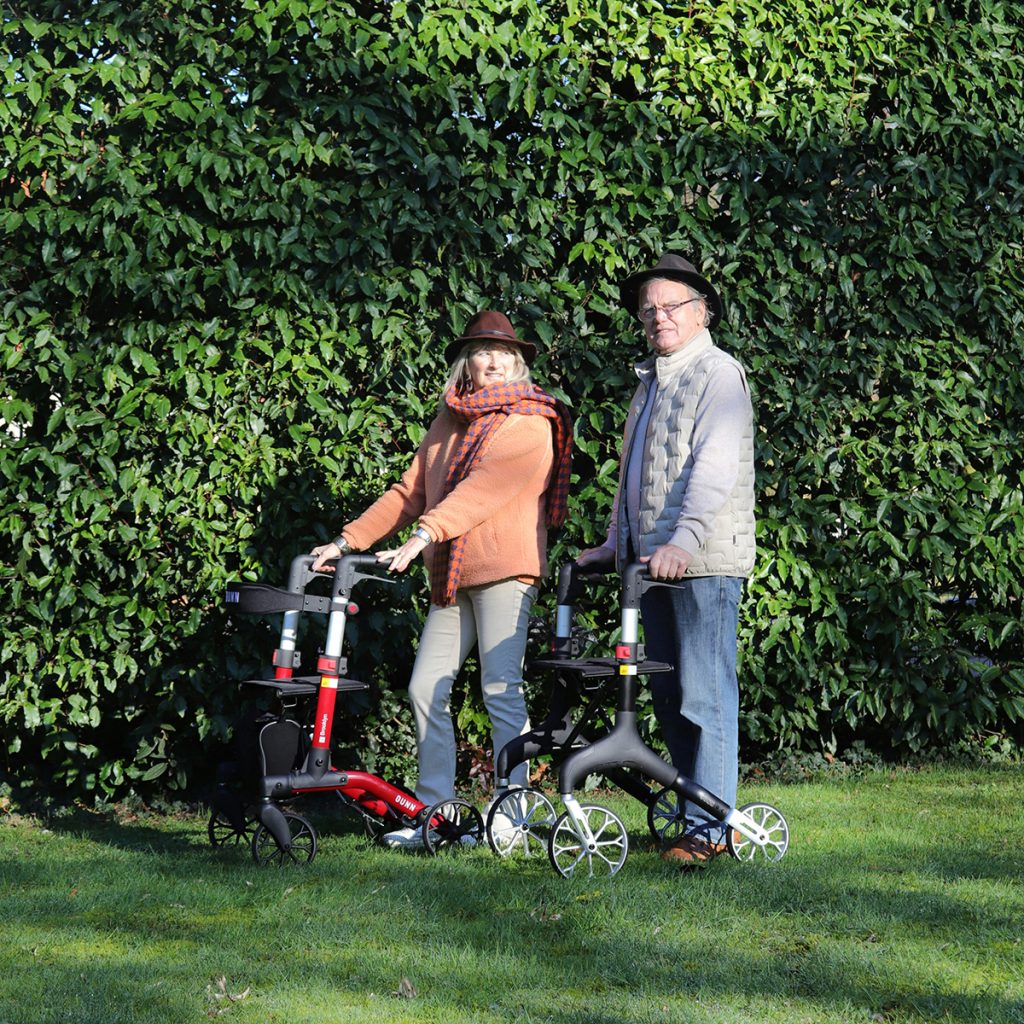
In my years of clinical practice in New York nursing homes, I’ve seen a common sight: a senior walking with a standard rollator, hunched over, looking at their feet. We call this the “Rollator Slouch.” While standard rollators have saved millions from falls, they have a major ergonomic flaw—they often encourage a stooped posture that leads to chronic back, neck, and wrist pain.
Upright Walkers (also known as Stand-Up Walkers) have become the go-to solution for those who want to “Aging at Ease” without sacrificing their spinal health. But are they always better?
As a Physical Therapist, I’ve broken down the clinical differences to help you choose the right tool for your mobility.
1. The Standard Rollator: The “All-Rounder”
The standard rollator is the 4-wheeled walker with a seat and waist-high handles that we all know.
-
How it works: You grip the handles at wrist level and push.
-
The PT Benefit: It’s highly maneuverable and excellent for people who have decent balance but tire easily. The built-in seat is a lifesaver for long walks in the park or trips to the grocery store.
-
The Downside: Because the handles are low, users tend to lean forward. This shifts your center of gravity, putting immense pressure on your lower back and making you more likely to trip over the front wheels.
-
Best For: Short distances, indoor use, and individuals with good upper body strength who don’t suffer from chronic back pain.
2. The Upright Walker: The “Posture Corrector”
Upright walkers feature elevated padded armrests that allow you to support your weight on your forearms rather than your wrists.
-
How it works: You stand inside the frame, resting your elbows on the pads. This naturally forces your gaze up and your spine into a neutral, vertical position.
-
The PT Benefit: By standing tall, you open up your chest cavity, which significantly improves breathing and oxygen intake. It also offloads up to 50% of the pressure from your painful lower back and arthritic wrists.
-
The Downside: They are generally heavier and have a larger “turning radius,” making them trickier to use in tiny New York apartments or narrow bathrooms.
-
Best For: Seniors with chronic back pain (stenosis, herniated discs), neck pain, or those who find that “leaning forward” makes them feel dizzy.
Comparison at a Glance: Tech Specs
| Feature | Standard Rollator | Upright Walker |
| Posture | Stooped / Hunched | Upright / Straight |
| Weight Support | Wrists & Hands | Forearms & Shoulders |
| Visibility | Looking down at feet | Looking forward at eye-level |
| Maneuverability | High (Great for tight spots) | Moderate (Requires more room) |
| Stability | Very Stable | Stable (but can feel “top-heavy”) |
3. Safety Warning: The “Top-Heavy” Factor
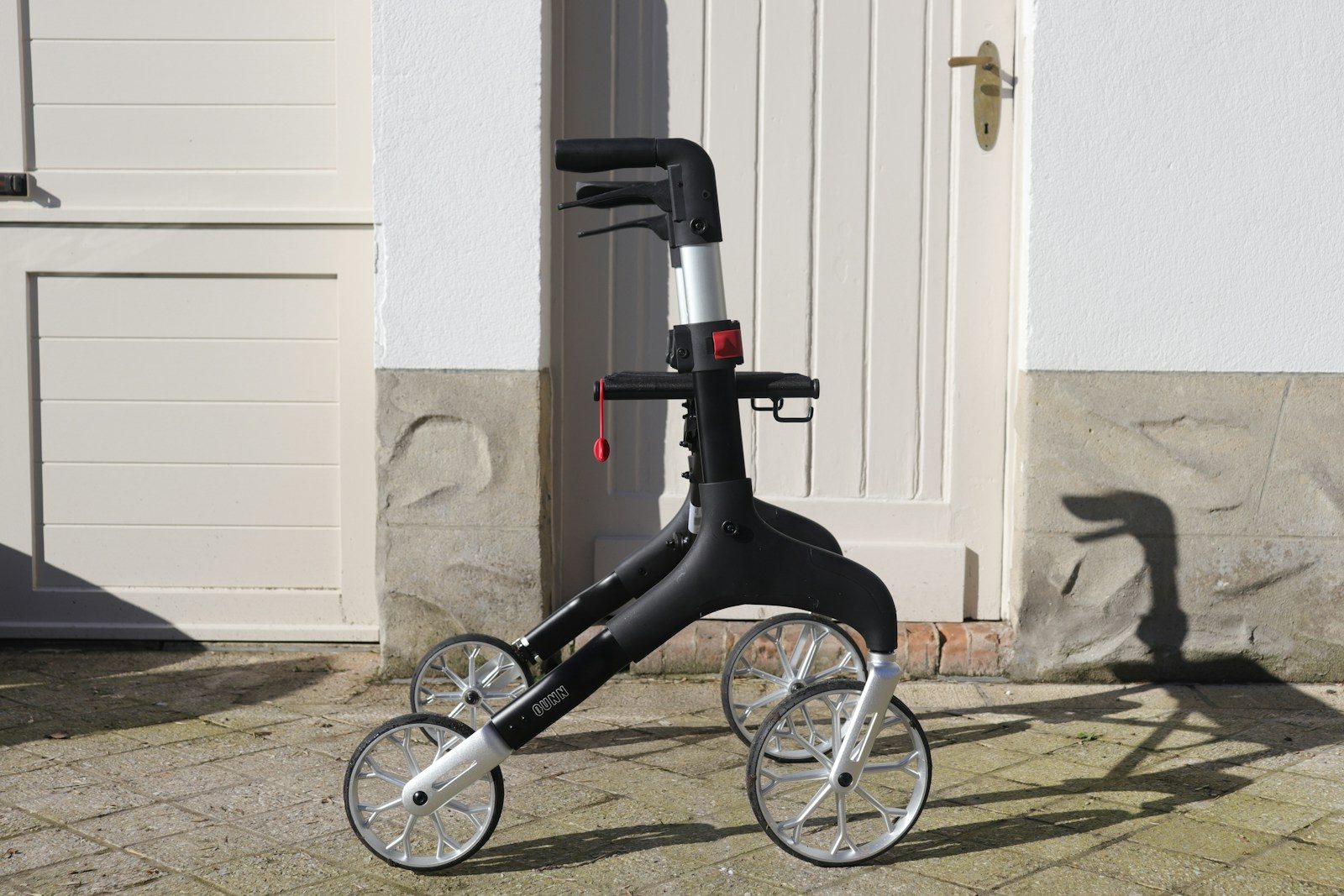
As a therapist, I must give you a professional heads-up: Upright walkers have a higher center of gravity. If you are very tall (over 6’2″) or if you try to take a sharp turn too quickly, they can feel a bit “tippy” compared to a low-slung standard rollator. Always practice your first few walks with a PT or a family member “spotting” you.
Joshua’s PT Verdict: How to Choose?
Choose a Standard Rollator if:
-
You mainly use it indoors in a small home.
-
You need something lightweight that is easy to lift into a car trunk.
-
You don’t have significant back or neck pain.
-
Top Pick: Drive Medical Nitro (Sleek and very stable).
Choose an Upright Walker if:
-
You experience “shooting pain” in your back when walking.
-
You want to walk longer distances outdoors (like the Boardwalk or Central Park).
-
You want to look people in the eye while you walk, rather than looking at the ground.
-
Top Pick: Journey Air Upright or Elenker Upright (Excellent ergonomic support).
Walk Tall. Aging at Ease.
Disclosure: As an Amazon Associate, I earn from qualifying purchases. This helps support our mission to provide expert safety advice to seniors and their families.
Read too: Review: 5 Top-Rated 3-Wheel Mobility Scooters for Indoor & Outdoor Use