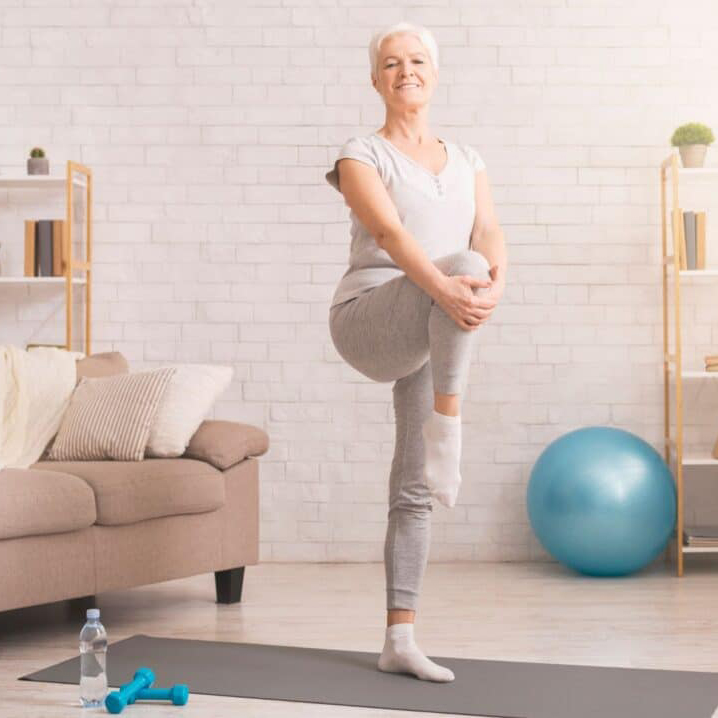
In my New York clinic, I tell my patients: “Muscle is the body’s armor.” As we age, we naturally lose muscle mass (sarcopenia), which leads to frailty and falls. While free weights are effective, they can be intimidating and hard on arthritic wrists.
Resistance bands are the ultimate PT tool. They provide “variable resistance,” meaning the exercise gets harder as you stretch the band, which matches the natural strength curve of your muscles. Plus, if you drop a band, it won’t break a toe like a 10-pound dumbbell would!
We have moved beyond simple “rubber bands.” We now have ergonomic handles, door anchors, and fabric-covered bands that are safer and more comfortable. Here are my top 5 picks to help you “Age at Ease.”
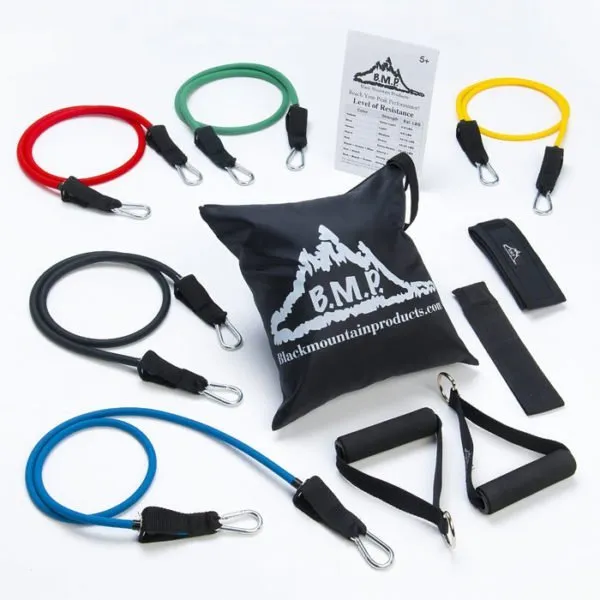
1. The Best for Grip Comfort: Black Mountain Products Stackable Band Set
For seniors with arthritis or carpal tunnel, holding onto a thin piece of rubber can be painful. Black Mountain solves this with professional-grade handles.
-
Why I Recommend It: This set features large, cushioned foam handles that are easy to grip. The “Stackable” design means you can clip multiple bands to one handle as you get stronger, allowing you to progress from 2 lbs to over 75 lbs of resistance.
-
Pros: Metal “D-ring” clips for safety, includes a door anchor for seated exercises, lifetime warranty.
-
Cons: The tubing can feel “snappy” if it over-stretches (always check for nicks!).
-
Best For: Seniors who want a complete “home gym” experience with comfortable grips.
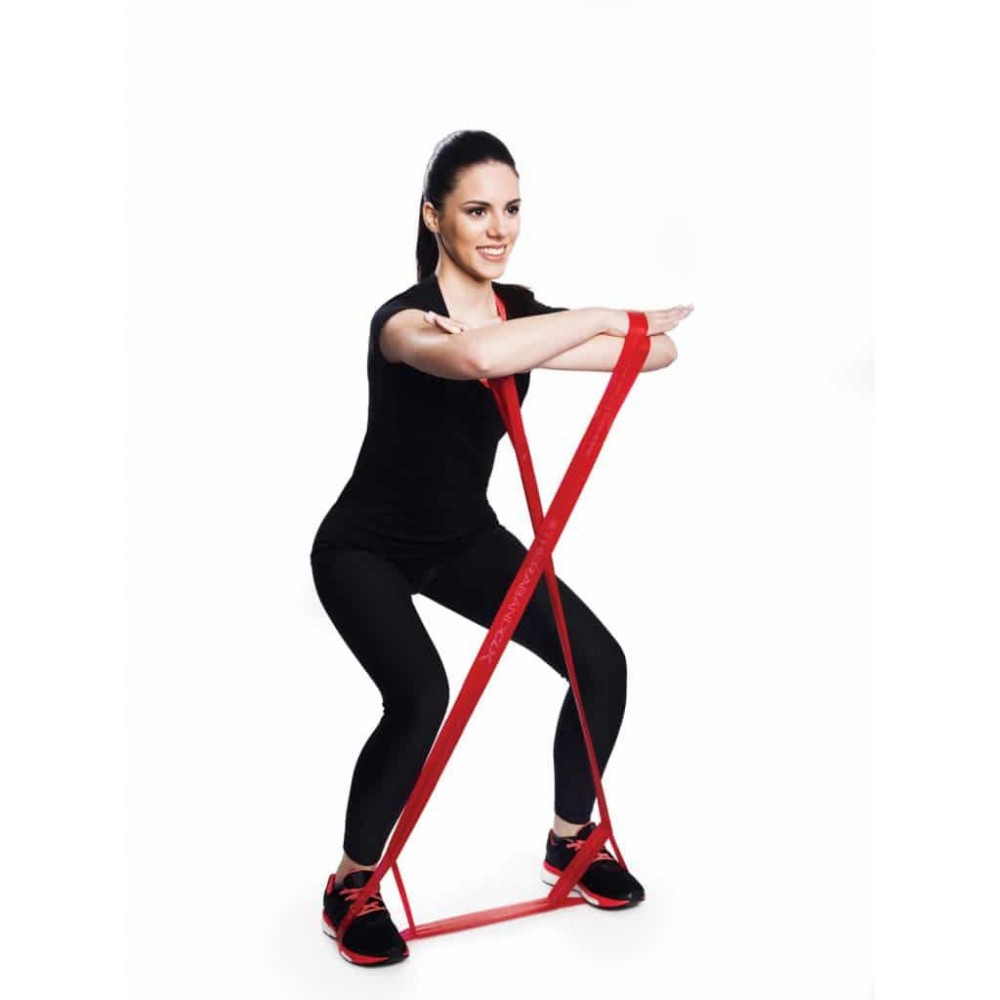
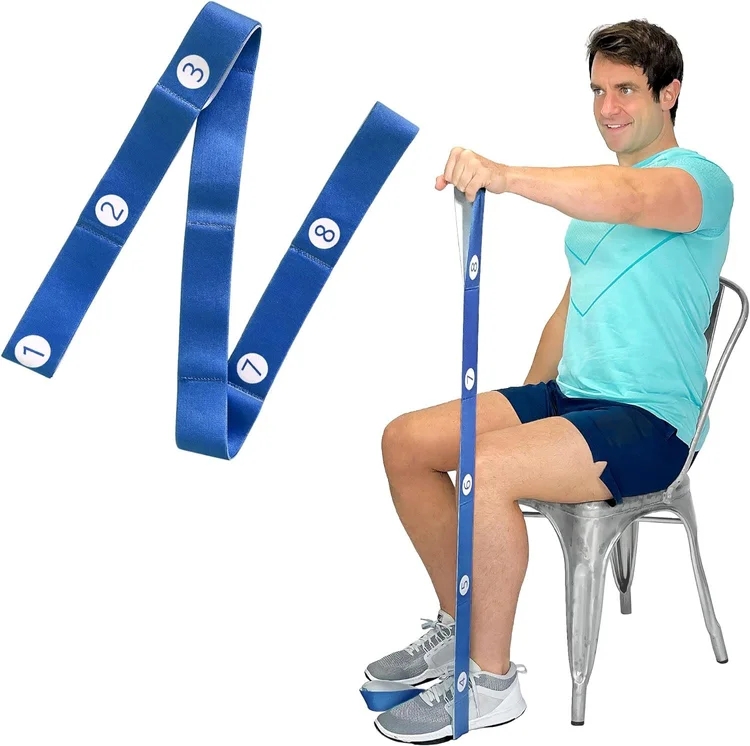
2. Best for Skin Safety: Theraband CLX (Latex-Free)
If you have sensitive skin or a latex allergy, traditional rubber bands can cause irritation. The CLX is the modern evolution of the classic Theraband.
-
Why I Recommend It: It’s a “Consecutive Loop” system. There are no handles to clip on—the entire band is made of integrated loops. You can slide your hands or feet directly into the loops, which is much safer for those with limited hand dexterity.
-
Pros: Latex-free, no heavy hardware, portable enough to fit in a pocket.
-
Cons: No cushioned handles (though the loops are wide and comfortable).
-
Best For: Seniors with allergies or those doing physical therapy exercises for fingers and toes.
3. Best for Leg Strength: Fit Simplify Fabric Loop Bands
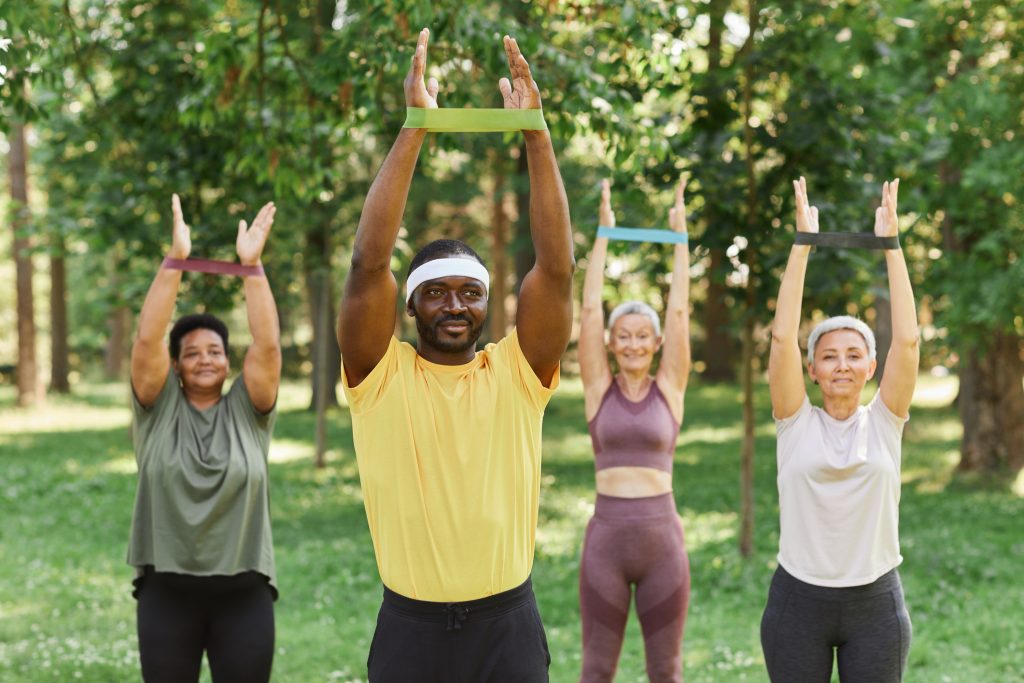
Standard “mini-bands” often roll up or pinch the skin during leg exercises. Fabric-covered bands stay exactly where you put them.
-
Why I Recommend It: These are thick, anti-slip fabric loops. They are perfect for “Lateral Walks” or “Seated Clamshells”—exercises that strengthen the hips and glutes to prevent falls. They won’t snap or roll up like thin rubber loops.
-
Pros: Extremely durable, won’t pinch skin or pull leg hair, washable.
-
Cons: Resistance levels are fixed (you can’t “stack” them easily).
-
Best For: Seniors focusing on hip stability, balance, and lower body strength.
4. Best for Seated Workouts: Vive Health Resistance Band Bar
If you have balance issues and prefer to exercise while seated, a resistance “bar” provides a more stable experience than individual bands.
-
Why I Recommend It: It’s a collapsible bar that connects to bands. This mimics the feel of a gym cable machine. It helps maintain symmetrical movement, ensuring your “stronger” side doesn’t do all the work.
-
Pros: Great for “Seated Rows” and “Overhead Presses,” very sturdy, easy to disassemble for storage.
-
Cons: Requires a bit more floor space to use properly.
-
Best For: Seniors in wheelchairs or those who find individual bands difficult to coordinate.
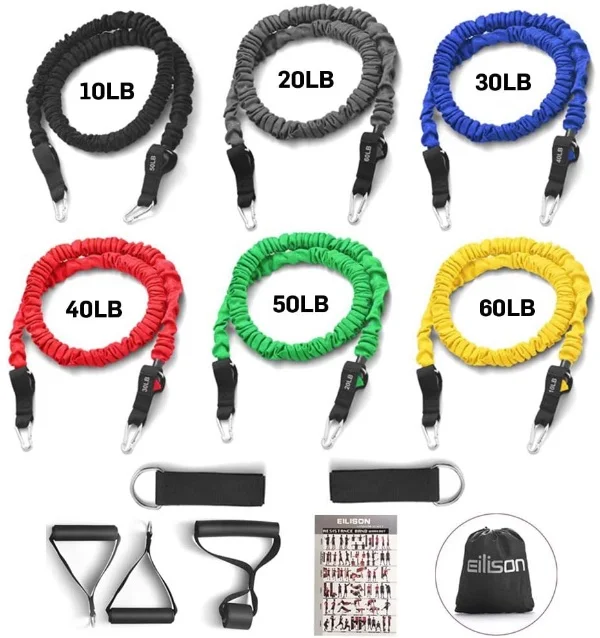
5. Best Budget-Friendly Choice: HPYGN Resistance Bands with Protective Sleeves
Safety is a priority in my clinic. If a standard rubber band snaps, it can cause a painful “whip” injury.
-
Why I Recommend It: These tubes are encased in a protective nylon sleeve. If the rubber inside breaks, the sleeve catches it, protecting your skin and eyes. For a senior exercising alone, this peace of mind is worth everything.
-
Pros: High safety rating, includes ankle straps and door anchors, very affordable.
-
Cons: The sleeves make the bands slightly bulkier to store.
-
Best For: Seniors who want maximum safety while exercising at home without a spotter.
Joshua’s PT Strength Protocol:
-
The “Anchor Check”: Always pull on your door anchor with your full weight before you start your set. Ensure the door is latched (and ideally locked) so nobody opens it while you’re mid-exercise.
-
Breathe with the Tension: Never hold your breath (Val maneuvers can spike blood pressure). Exhale as you pull the band, and inhale as you slowly return to the start.
-
The “Slow-Motion” Rule: Resistance bands work best when moved slowly. Take 2 seconds to pull, and a full 3 seconds to release. This “eccentric” phase is where the most bone-density benefits happen.
Stay Strong. Stay Mobile. Age at Ease.
Disclosure: As an Amazon Associate, I earn from qualifying purchases. This helps support our mission to provide expert safety advice to seniors and their families.
Read too: 5 Best Chair Yoga Poses for Seniors with Limited Mobility