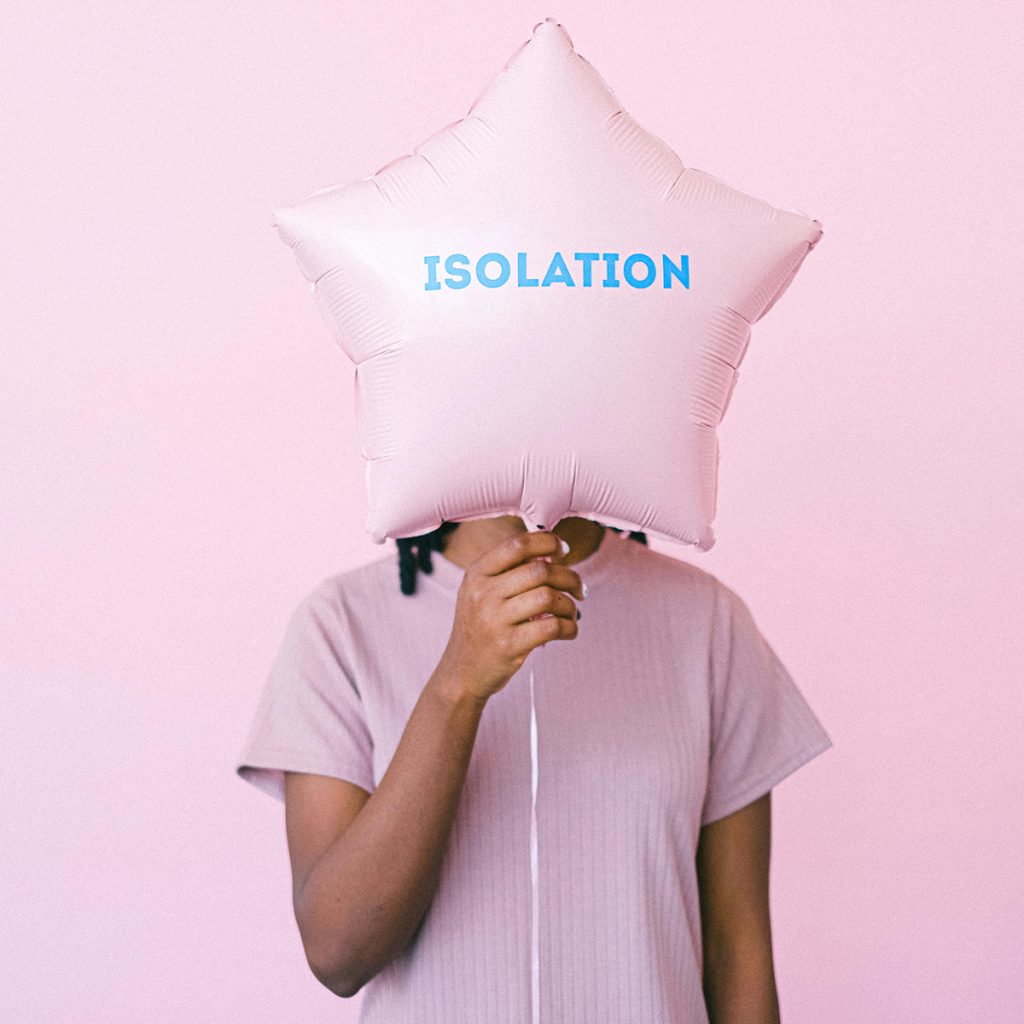
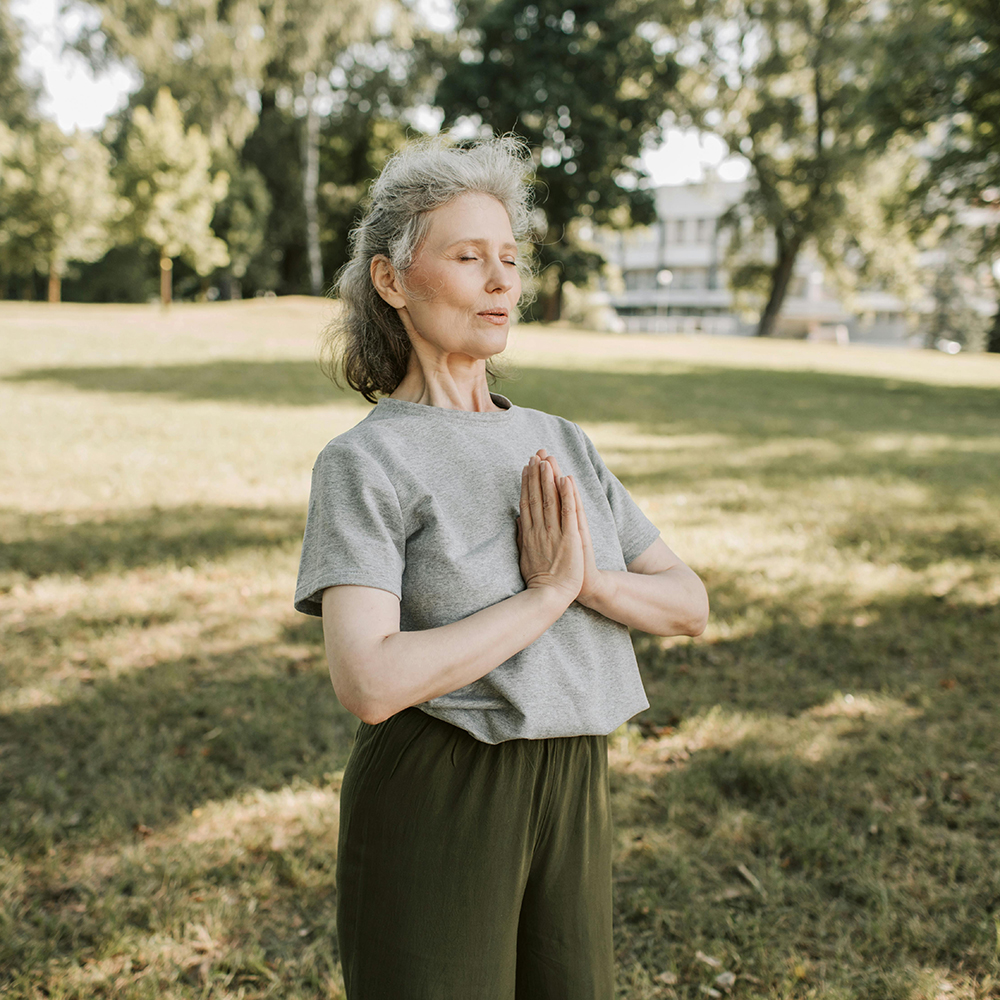
In my New York clinic, I often tell my patients: “Your brain is the captain of the ship.” If the captain is stressed, anxious, or overwhelmed, the rest of the body follows suit. We focus a lot on physical rehabilitation, but mental “rehab” is just as vital. As we age, we face unique stressors—retirement, health changes, or [Social Isolation].
Meditation isn’t about sitting in a complicated pose for hours. It’s recognized as a clinical tool to lower cortisol, improve sleep, and even sharpen memory.
At Aging At Ease, we believe that a quiet mind is the foundation of a healthy life. Here’s how meditation can transform your senior years.
1. Natural Pain Management
One of the most powerful benefits I see as a Physical Therapist is the reduction in “pain perception.”
-
How it works: Chronic pain from arthritis or old injuries often has a “stress loop.” When you feel pain, you get anxious; the anxiety makes your muscles tense, which then increases the pain. Meditation breaks this loop.
-
The Benefit: By practicing mindfulness, you learn to observe the pain without the emotional “panic” response. Studies show this can reduce the need for pain medication in some patients.
-
PT Tip: Try “Body Scan” meditation. Focus on each part of your body from your toes to your head, releasing tension in each area as you go.
2. Sharper Memory and Focus
“Brain fog” doesn’t have to be an inevitable part of aging.
-
How it works: Meditation increases gray matter density in the parts of the brain responsible for learning and memory. It’s like a “strength workout” for your prefrontal cortex.
-
The Benefit: Seniors who meditate regularly often report better focus, improved short-term memory, and a lower risk of cognitive decline.
-
PT Tip: Even 10 minutes a day can make a difference. Consistency is more important than duration.
3. Better Sleep Quality
Insomnia is a common complaint in my clinic, but it’s often caused by a “racing mind” at bedtime.
-
How it works: Meditation triggers the “Relaxation Response,” lowering your heart rate and slowing your breathing. This prepares your body for deep, restorative sleep.
-
The Benefit: You’ll fall asleep faster and stay asleep longer, which is when your body does its best physical healing.
-
PT Tip: Use a “Guided Sleep Meditation” app. Hearing a calm voice can help anchor your thoughts so they don’t wander to tomorrow’s worries.
4. Emotional Resilience and Joy
Loneliness can be a heavy burden, but meditation helps build an “internal community.”
-
How it works: “Loving-Kindness” meditation (Metta) involves sending silent wishes of well-being to yourself and others. This practice reduces feelings of isolation and increases empathy and self-compassion.
-
The Benefit: It shifts the focus from what you cannot do to the peace you can feel in the present moment.
Joshua’s PT “Getting Started” Guide:
-
Forget the Floor: You do NOT need to sit on the floor. In fact, for most of my patients, I recommend sitting in a supportive, comfortable chair with your feet flat on the ground.
-
Use Technology: Apps like Calm, Headspace, or Insight Timer offer specific tracks for seniors. They handle the “work” for you—all you have to do is listen.
-
The “Breath Anchor”: Whenever you feel overwhelmed, find your breath. Notice the air entering your nose and leaving your mouth. This simple 30-second reset is the simplest form of meditation there is.
Quiet the Mind. Heal the Body. Aging at Ease.
Disclosure: This article is for informational purposes. At Aging At Ease, we recommend consulting with your physician before beginning any new wellness routine, especially if you have a history of severe clinical depression or anxiety.
Read too: How to Prevent Social Isolation and Loneliness in Seniors