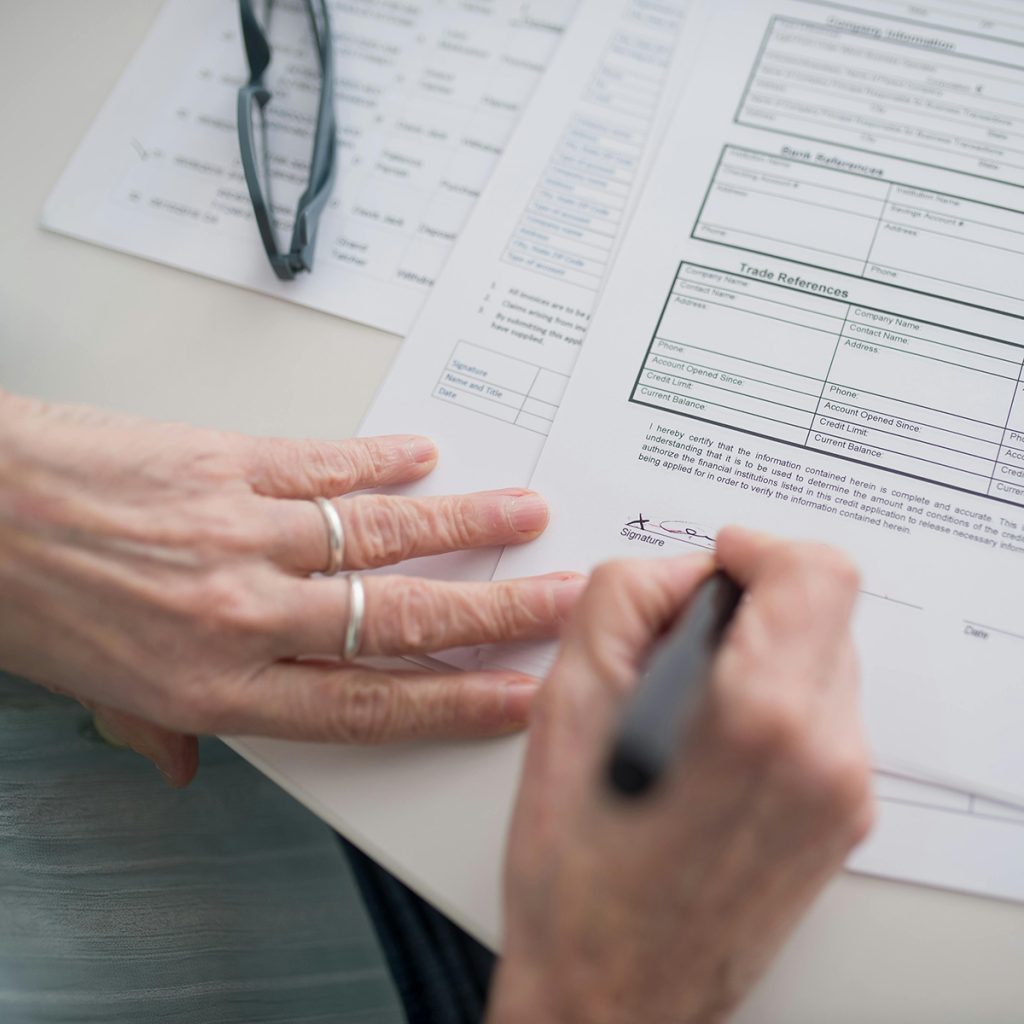

In my practice at Aging At Ease, I’ve often walked into a patient’s hospital room following a severe stroke or a bad fall, only to find the family in a state of administrative paralysis. The medical team needs a signature for a crucial treatment plan, but the patient cannot speak, and no one has the legal authority to sign.
Many people assume that a spouse or a child automatically has the right to manage their affairs if they become incapacitated. Unfortunately, the law doesn’t work that way. To protect your wishes and your assets, you must establish a Power of Attorney (POA).
Setting up a POA is one of the most loving gifts you can give your family. It removes the guesswork and guilt during a medical crisis. Here are the essential, step-by-step measures to get it done properly.
1. Understand the Two Main Types of POA
You don’t just sign one general document; you need to protect two completely distinct areas of your life:
-
Healthcare POA (Medical Power of Attorney): This gives your chosen representative (your “agent”) the power to make medical decisions for you if you cannot do so yourself—including choices about surgeries, end-of-life care, and doctors.
-
Financial POA: This allows your agent to manage your bank accounts, pay your bills, sign tax returns, and sell property if you are unable to manage your finances.
PT Tip: I strongly recommend making these “Durable” POAs. A standard POA terminates if you become mentally incapacitated—which defeats the whole purpose. A Durable POA stays in effect even if you develop dementia or fall into a coma.
2. Choose the Right Agent (It’s Not a Popularity Contest)
Your agent does not have to be your oldest child or your current spouse. It needs to be the person best suited for the specific job.
-
For Medical POA: Choose someone who can remain calm under extreme emotional pressure and who will strictly follow your medical wishes, even if they personally disagree with them.
-
For Financial POA: Choose someone who is highly organized, financially responsible, and good with numbers.
3. Specify When the Power “Activates”
You have complete control over when your agent can begin acting on your behalf:
-
Immediate POA: Takes effect the moment you sign the document. This is useful if a senior is mentally sharp but physically unable to leave the house to visit the bank.
-
Springing POA: This “springs” into effect only after a specific event occurs—usually when a licensed physician declares in writing that you are mentally or physically incompetent to make your own decisions.
4. Draft the Legal Documents
Requirements for a valid POA vary significantly by state and country. Do not rely on generic, outdated internet templates.
-
The Professional Route: Working with an elder law attorney is the safest approach. They will ensure the document uses the exact legal terminology required in your jurisdiction.
-
The Statutory Route: Many states provide free, official “Statutory POA Forms” online. If your finances are straightforward, these official state forms are highly reliable.
5. Execute and Notarize the Document
A POA is just a piece of paper until it is properly executed according to local laws.
-
Witnesses: Most jurisdictions require at least one or two independent witnesses to watch you sign. These witnesses typically cannot be your medical providers or the person you are appointing as your agent.
-
Notarization: You must sign the document in front of a licensed Notary Public to verify your identity and confirm that you are signing of your own free will and sound mind.
Joshua’s PT Advice on the Final Step:
Once your Power of Attorney is signed and notarized, do not lock it in a safe deposit box. A document no one can access is completely useless during a Saturday night emergency.
Make multiple high-quality copies. Keep the originals in a safe place at home, give a copy to your designated agents, and explicitly instruct your primary care physician to upload the Medical POA directly into your electronic health record.
Plan Ahead. Protect Your Wishes. Aging at Ease.
Disclosure: Aging At Ease provides educational information regarding senior health and elder care planning. This article does not constitute formal legal advice. Always consult with a qualified elder law attorney regarding your specific legal needs.