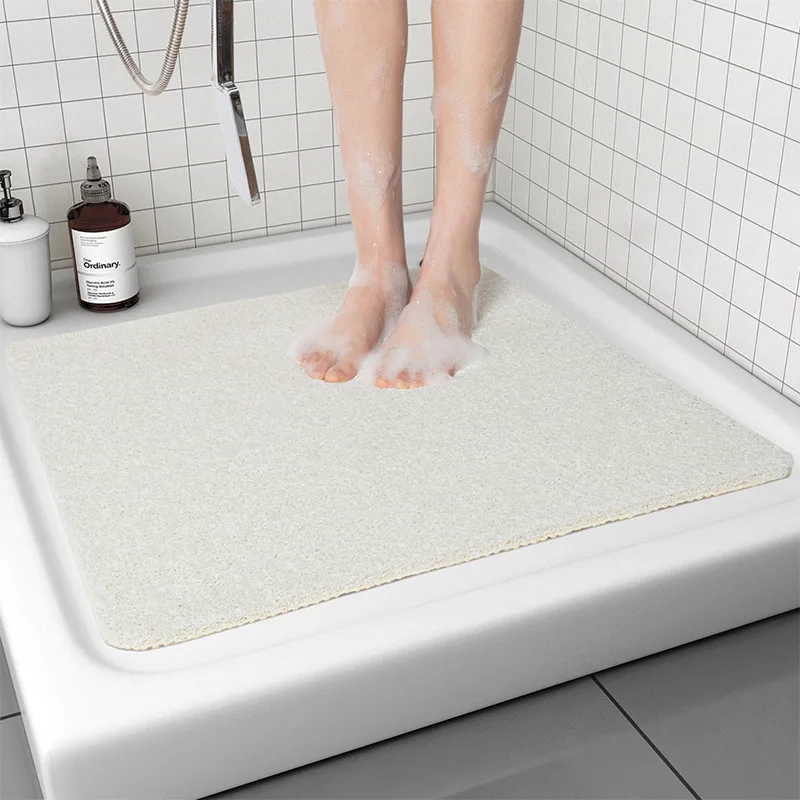
In my practice in New York, the bathroom is the most common site for home accidents. When a patient tells me, “I just grab the towel rack for balance,” my heart skips a beat. Towel racks are designed for fabric, not for the weight of a human being.
To “Age at Ease,” you need dedicated support. But the big question I get during home safety audits is: “Can I just use the suction-cup bars, or do I need to drill into my tiles?”
The answer depends on your weight, your balance, and the type of surface you have. Let’s break down the pros and cons of suction-cup versus permanent grab bars.
1. Permanent (Screw-In) Grab Bars: The Gold Standard
If you are looking for maximum safety and are willing to do a bit of DIY or hire a handyman, permanent bars are the way to go.
-
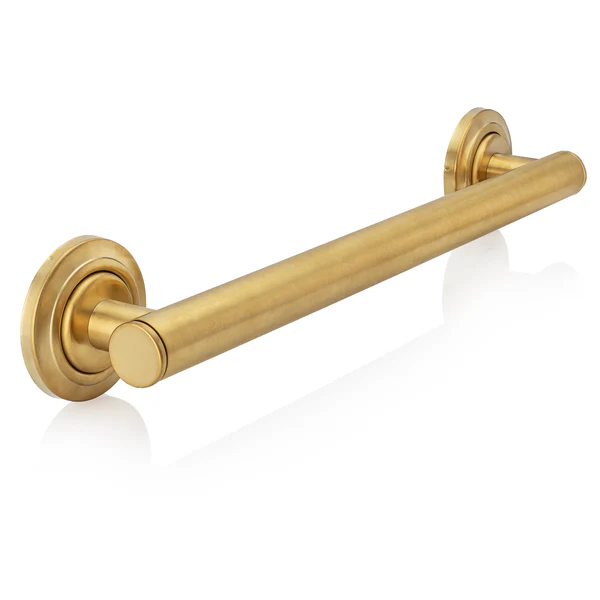
How they work: These are bolted directly into the wooden studs behind your drywall or through the tile into the structural framing of the house.
-
Why I Recommend Them: They are rated to support 250 to 500 lbs. They will not move, regardless of how much pressure you apply. They are essential for “weight-bearing” (when you need the bar to help you pull yourself up from a sitting position).
-
Pros: Unmatched stability, various finishes (chrome, matte black, textured), lifetime durability.
-
Cons: Requires drilling into tile or walls; permanent (hard to move later).
-
Best For: Seniors with significant balance issues, those who need help standing up from a toilet or shower bench, and high-traffic bathrooms.
2. Suction-Cup Grab Bars: The Portable Helper
Suction bars have improved significantly with the introduction of “Pressure-Indicator” technology, but they still have limitations.
-
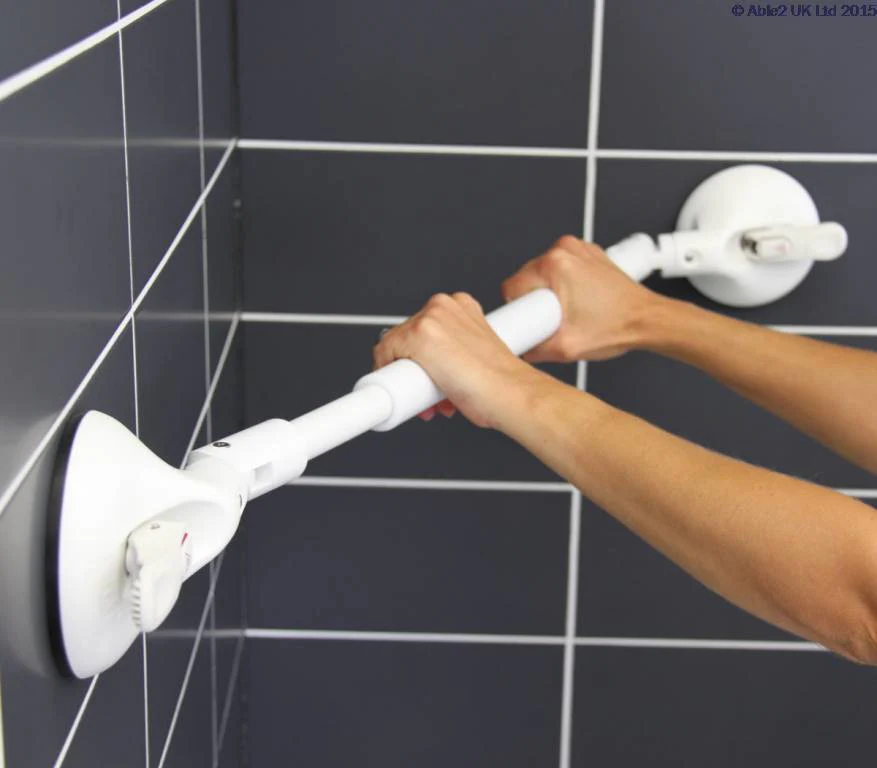
How they work: They use powerful vacuum suction to “stick” to the surface. Most modern models feature a color-coded window: Green means it’s secure, Red means it has lost suction.
-
Why I Recommend Them: They are excellent for balance assistance only. They are not meant to hold your full body weight. They are perfect for travel—taking them to a hotel or a relative’s house where you can’t drill into the walls.
-
Pros: No tools required, portable, affordable, great for renters.
-
Cons: Can only be used on smooth, non-porous tile (at least 4×4 inches). They cannot cross grout lines, as this breaks the vacuum seal.
-
Best For: Seniors who only need a “steadying hand” for balance, travelers, and renters.
Key Comparison Table
| Feature | Permanent (Screw-In) | Suction-Cup |
| Weight Capacity | 250 – 500 lbs | 50 – 80 lbs (Balance only) |
| Installation | Drill & Screws (15-30 mins) | Flip-Levers (10 seconds) |
| Surface Required | Any wall (with studs) | Smooth, large tile only |
| Portability | None | High (fits in a suitcase) |
| Safety Level | Maximum | Moderate |
Joshua’s PT Safety Checklist:
Before you buy, ask yourself these three questions:
-
Do I have grout lines? If your shower has small tiles (like mosaic tiles), a suction bar will not work. It needs a large, perfectly flat surface to stay attached.
-
Am I pulling or just touching? If you need to “pull” yourself up from a low seat, a suction bar is dangerous. It can pop off under heavy tension. You must go with a permanent screw-in bar.
-
Is there a stud? For permanent bars, always use a stud finder. Mounting a bar into just drywall (even with anchors) is a recipe for disaster.
Recommended Products:
-
Best Permanent Bar: Moen Home Care 18-Inch Stainless Steel Grab Bar (with SecureMount).
-
Best Suction Bar: Vaunn Medical Secure Grip (with the dual-indicator safety system).
Choose the Right Support. Age at Ease.
Disclosure: As an Amazon Associate, I earn from qualifying purchases. This helps support our mission to provide expert safety advice to seniors and their families.
Read too: 5 Best Non-Slip Bathtub Mats for Seniors: A Physical Therapist’s Top Picks