In my New York clinic, I don’t just measure muscle strength; I look at “Social Vitality.” I’ve seen patients with perfect physical health wither away because of loneliness, while others with chronic pain thrive because they have a reason to get out of bed—a friend to meet, a class to attend, or a community to serve.
Social isolation isn’t just a “sad feeling”; it is a clinical risk factor for heart disease, depression, and cognitive decline. We have more tools than ever to bridge the gap between generations and neighbors.
As a Physical Therapist, I’ve developed this strategy to help you stay connected, engaged, and “Aging at Ease.”
1. Leverage “Intergenerational” Technology
Technology should never replace human contact, but it is the best tool to facilitate it.
-
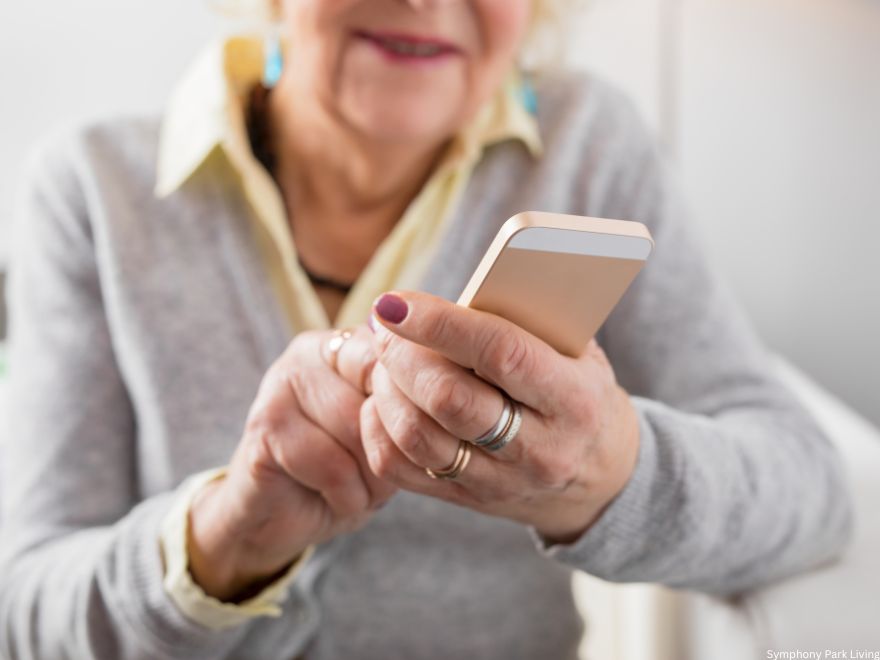
The Strategy: Use devices that make connection effortless. As we discussed in our [Best Tech Gifts guide], smart displays like the Echo Show allow for “frictionless” video calls.
-
Innovation: Look into Virtual Senior Centers. These are online platforms where you can join real-time classes—from art history to chair yoga—with other seniors from across the country. It’s not just watching a video; it’s a live, two-way conversation.

2. Find Your “Third Place”
A “third place” is a social environment separate from the two usual social environments of home (“first place”) and the workplace (“second place”). For seniors, finding a third place is vital for spontaneous social interaction.
-
The Strategy: Identify a local spot where people know your name. This could be a library, a specific coffee shop, or a Senior Community Center.
-
The Fix: Volunteer. Nothing cures loneliness faster than being needed. Whether it’s reading to children at a local school or helping at a food pantry, “Purpose-Driven Activity” is a powerful antidote to isolation.

3. Combat Mobility Barriers
Often, seniors aren’t “lonely” by choice—they are isolated because they can no longer drive or walk long distances.
-
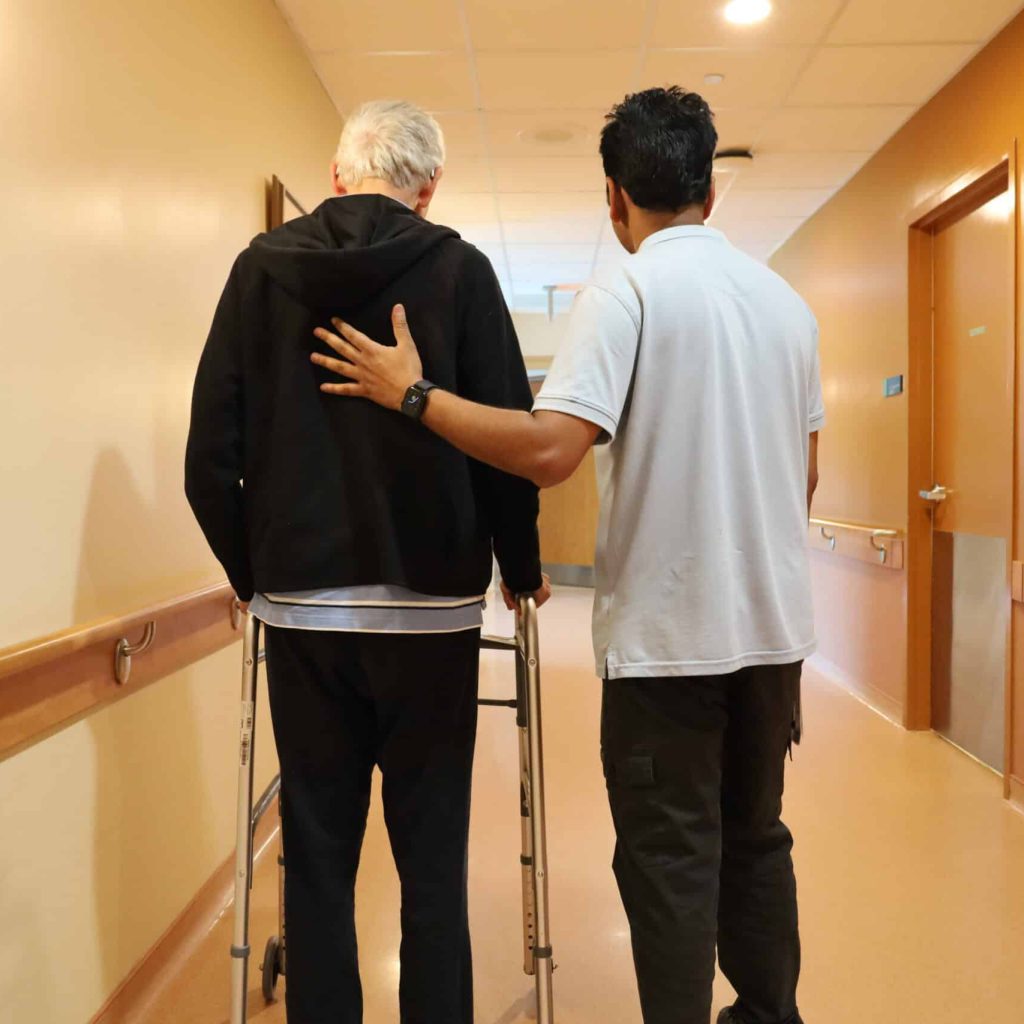
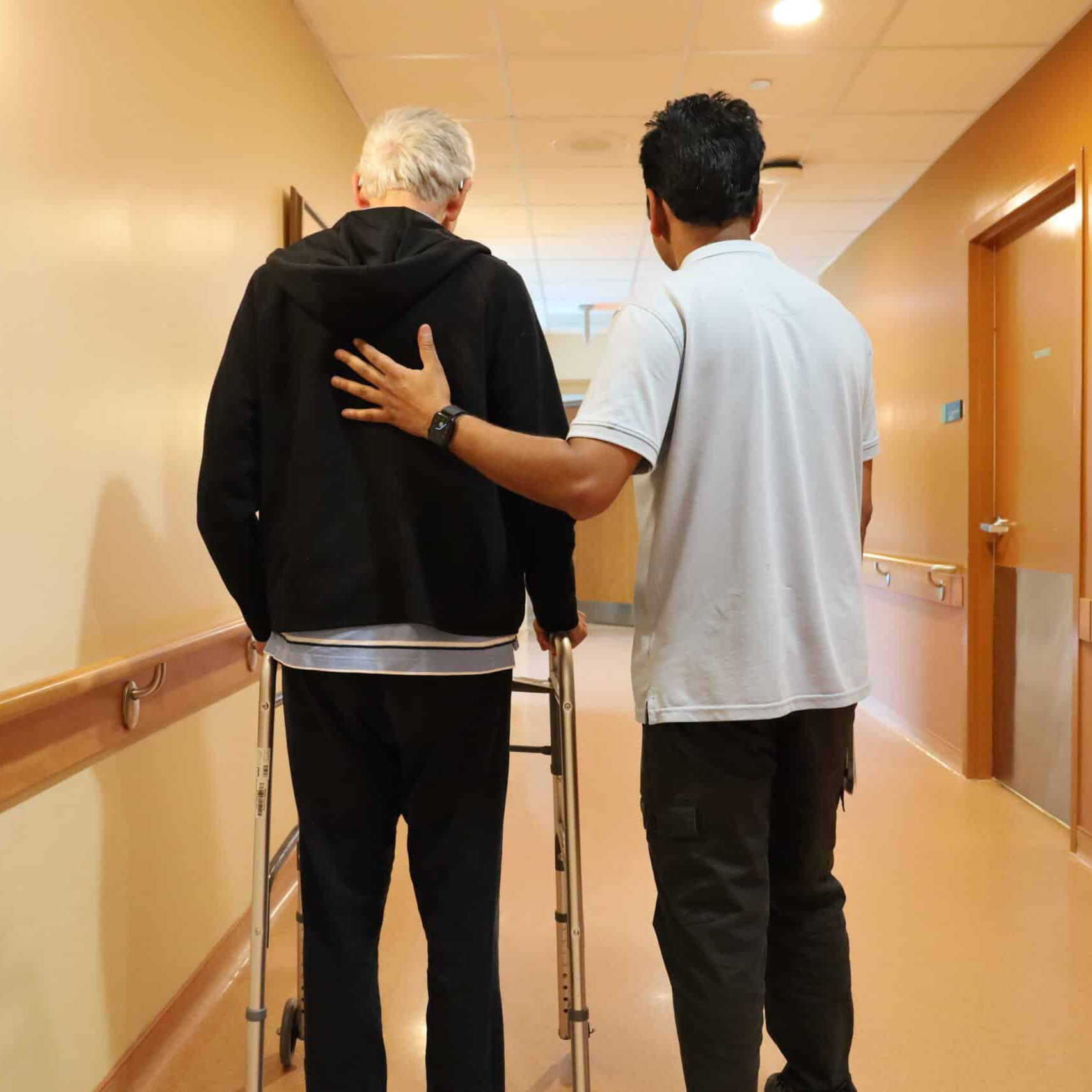
The Strategy: Don’t let a fear of falling keep you home. Using the right mobility aid, like an [Upright Walker], can give you the confidence to visit a museum or a park where social life happens.
-
The Fix: Explore Senior Transportation Services. Many New York counties offer “Door-to-Door” shuttles specifically for seniors. Using these services isn’t “giving up independence”; it’s a smart way to stay active in the community.
4. The Power of “Shared Hobbies”
It is much easier to make friends when you are focusing on a task together rather than just “talking.”
-
The Strategy: Join a club that matches your pace. Walking Clubs are my favorite PT recommendation because they combine cardiovascular health with social “check-ins.”
-
The Fix: Try “Cognitive Socializing.” Engaging in [Jigsaw Puzzles] or board games in a public setting (like a senior center) creates a relaxed environment for conversation to flow naturally without pressure.

Joshua’s “Connection” Checklist:
-
The “One-a-Day” Rule: Make it a goal to have at least one meaningful interaction every day. This could be a 10-minute phone call, a chat with a neighbor, or a “thank you” to the librarian.
-
Audit Your Hearing: Many seniors withdraw socially because they can’t hear the conversation in noisy rooms. If you find yourself “nodding along” without understanding, schedule a hearing test. Hearing Aids are a primary tool for preventing social isolation.
-
Adopt a Pet (If Able): As we noted in our [Robotic Vacuum guide], pets provide companionship and a “social bridge.” Walking a dog is the easiest way to start a conversation with a stranger.
Stay Connected. Stay Purposeful. Age at Ease.
Disclosure: This guide is for informational purposes. As an Amazon Associate, I earn from qualifying purchases of products that help seniors stay mobile and connected.
Read too: 5 Best Brain Games for Seniors to Improve Memory: A PT’s Cognitive Health Guide