In my New York clinic, I often treat patients who suffer from “Nighttime Respiratory Distress” or persistent heartburn. When you lie flat, gravity works against you: stomach acid can easily travel up the esophagus, and the soft tissues in the throat can collapse, worsening sleep apnea.
The solution is simple physics: elevation. A high-quality Wedge Pillow uses a precise incline (usually between 7 and 12 inches) to keep your upper body elevated, using gravity to keep acid down and airways open.
As a Physical Therapist, I’ve evaluated these pillows based on their incline angle, material density (support), and cooling properties. Here are my top 5 picks to help you “Age at Ease.”
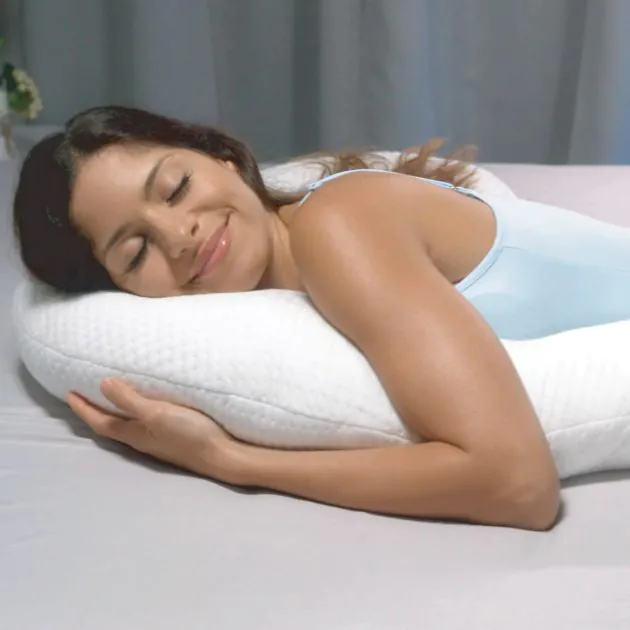
1. The Best Overall: MedCline Reflux Relief System
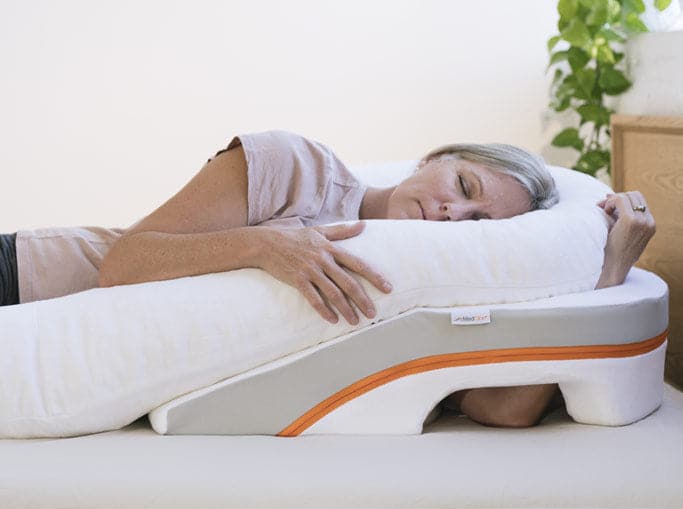
MedCline is widely considered the “medical grade” choice. It’s not just a pillow; it’s a three-component system designed specifically for side sleepers.
-
Why I Recommend It: It features a patented “arm pocket” that prevents you from sliding down during the night and takes pressure off your shoulder. This is crucial for seniors who have shoulder bursitis or rotatory cuff issues.
-
Pros: Clinically proven to reduce acid exposure by 87%, high-quality medical-grade foam, symmetrical design for left or right side sleeping.
-
Cons: Takes up a lot of space in the bed; higher price point.
-
Best For: Seniors with chronic GERH (acid reflux) who prefer sleeping on their side.
2. Best for Sleep Apnea: Contour Swan Memory Foam Wedge
If your primary concern is keeping your airways open, the Contour Swan offers a steeper, more supportive incline.
-
Why I Recommend It: It provides a firm 10-inch lift that helps prevent the tongue and soft palate from obstructing the airway. The tiered design supports the lumbar spine, which is vital for preventing back pain while sleeping at an angle.
-
Pros: Extra-wide surface (so you don’t “roll off”), breathable bamboo cover, dual-layer foam for comfort and support.
-
Cons: Might be too firm for those who prefer a very soft, “cloud-like” feel.
-
Best For: Seniors using CPAP machines or those with mild-to-moderate obstructive sleep apnea.
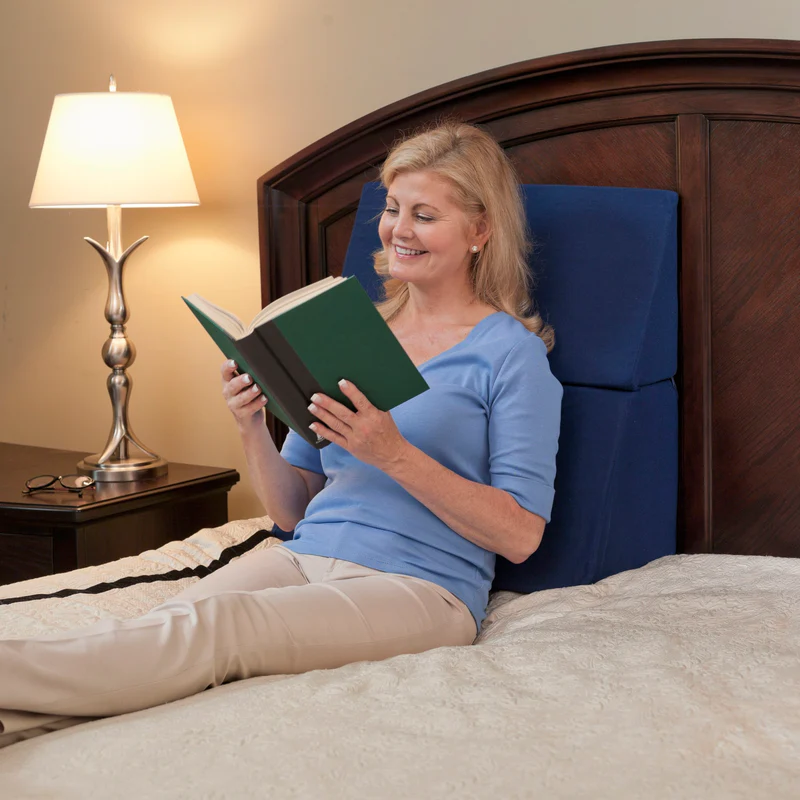
3. Best Adjustable Option: Relax Home Life 7.5″ Bed Wedge
Not everyone knows exactly what incline they need. This adjustable model allows you to find your “sweet spot.”
-
Why I Recommend It: It features a 2-layer design with a removable insert. You can start with a gentle 7-inch incline and increase it if needed. As a PT, I love this for patients who are “weaning” off sleeping flat.
-
Pros: Very versatile, high-density memory foam top, fits standard pillowcases.
-
Cons: The adjustment process (removing foam) can be a bit cumbersome for arthritic hands.
-
Best For: Seniors who are new to wedge pillows and want to experiment with height.
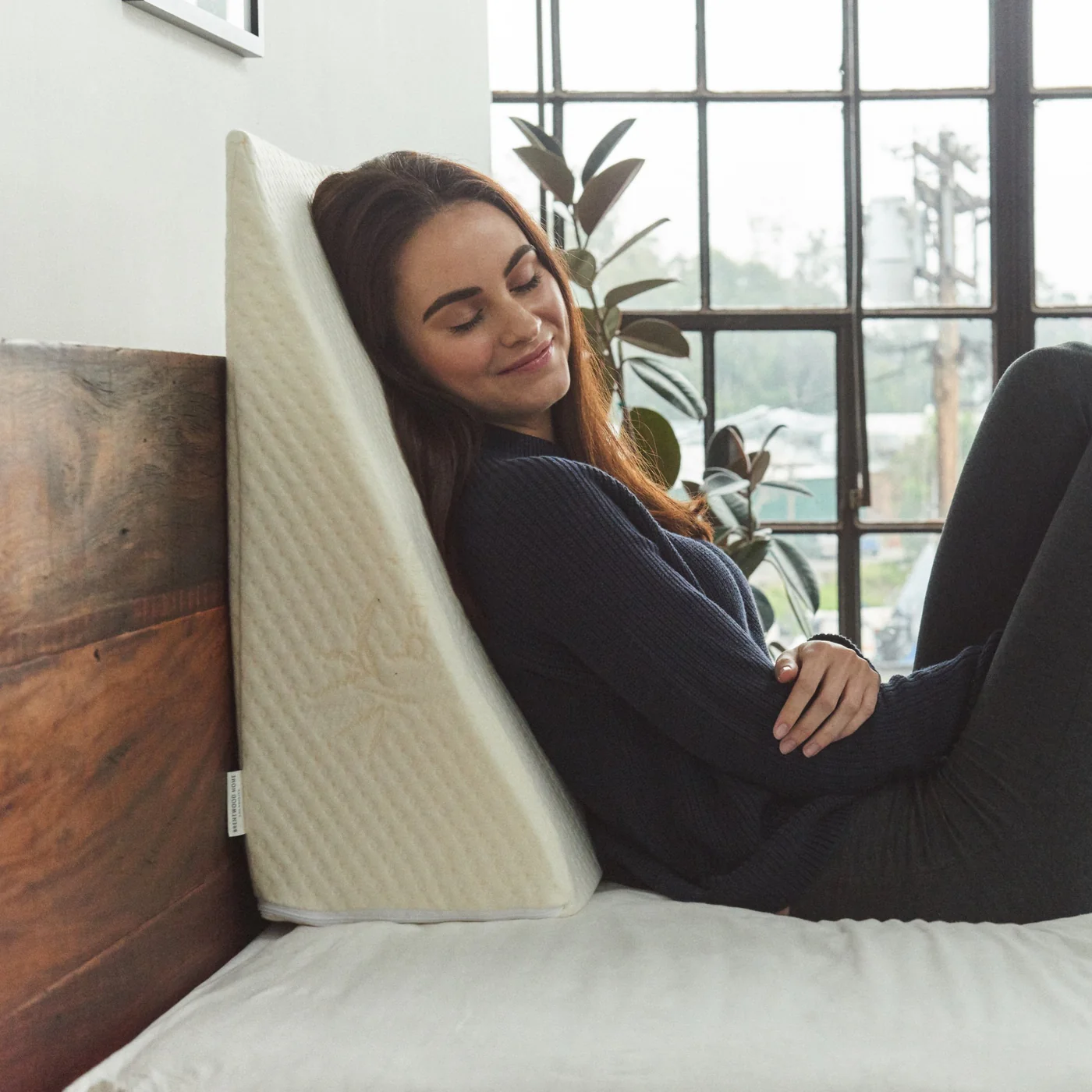
4. Best for Hot Sleepers: Brentwood Home Zuma Cooling Wedge
One of the biggest complaints about foam pillows is that they “trap” heat. Brentwood Home solves this with gel-infused technology.
-
Why I Recommend It: It uses CertiPUR-US certified foam infused with cooling gel and a Tencel cover. If you suffer from night sweats or live in a warm climate, this will keep your body temperature regulated while keeping your chest elevated.
-
Pros: Eco-friendly materials, excellent moisture-wicking, very durable.
-
Cons: Only available in one standard height (7 inches).
-
Best For: Seniors who struggle with overheating at night.
5. Best Budget-Friendly Choice: Drive Medical Folding Bed Wedge
Drive Medical is a staple in the healthcare world, providing functional tools at an accessible price.
-
Why I Recommend It: It’s a “Folding” wedge. This makes it incredibly easy to store under the bed when not in use or to pack in a suitcase for travel. It’s lightweight but provides enough support for consistent nightly use.
-
Pros: Portable, easy to clean, very affordable.
-
Cons: Basic foam without a memory foam topper (feels slightly stiffer).
-
Best For: Occasional use, travel, or seniors on a strict budget.
Joshua’s PT Sleep Safety Tips:
-
The “Hips” Rule: Your wedge should start at your lower back/waist, not just under your shoulders. If the incline is too high up, it can cause your neck to “crane” forward, leading to morning stiffness.
-
Knee Support: When sleeping on an incline, I always recommend placing a small bolster pillow under your knees. This flattens your lower back against the wedge and prevents you from sliding down during the night.
-
Air Quality: If you use a wedge for apnea, ensure your room is slightly humidified. Dry air can irritate the throat, making it more likely to “collapse” and cause snoring or gasping.
Sleep Deeply. Age at Ease.
Disclosure: As an Amazon Associate, I earn from qualifying purchases. This helps support our mission to provide expert safety advice to seniors and their families.
Read too: Review: 5 Best Bed Assist Rails for Safe Standing and Fall Prevention