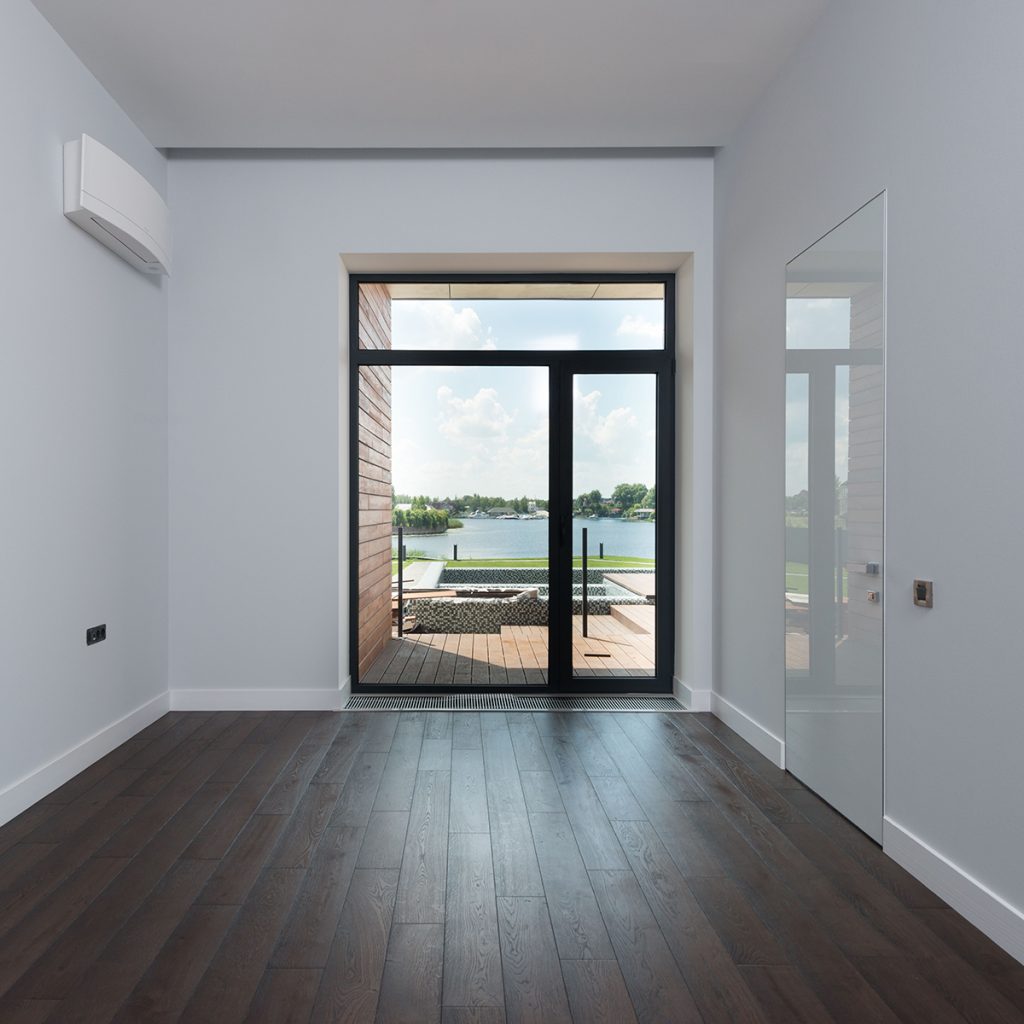
In home rehabilitation, we spend a lot of time modifying the layout of rooms to help seniors and people with mobility challenges move around safely. We change the heights of beds, remodel showers to be flush with the floor, and purchase adaptive dining tools. But we often ignore the most basic physical barrier in the house: the heavy, latching residential door.
If you are navigating your home with a rolling walker (rollator), a manual wheelchair, or a power chair, a standard wooden door is a major obstacle.
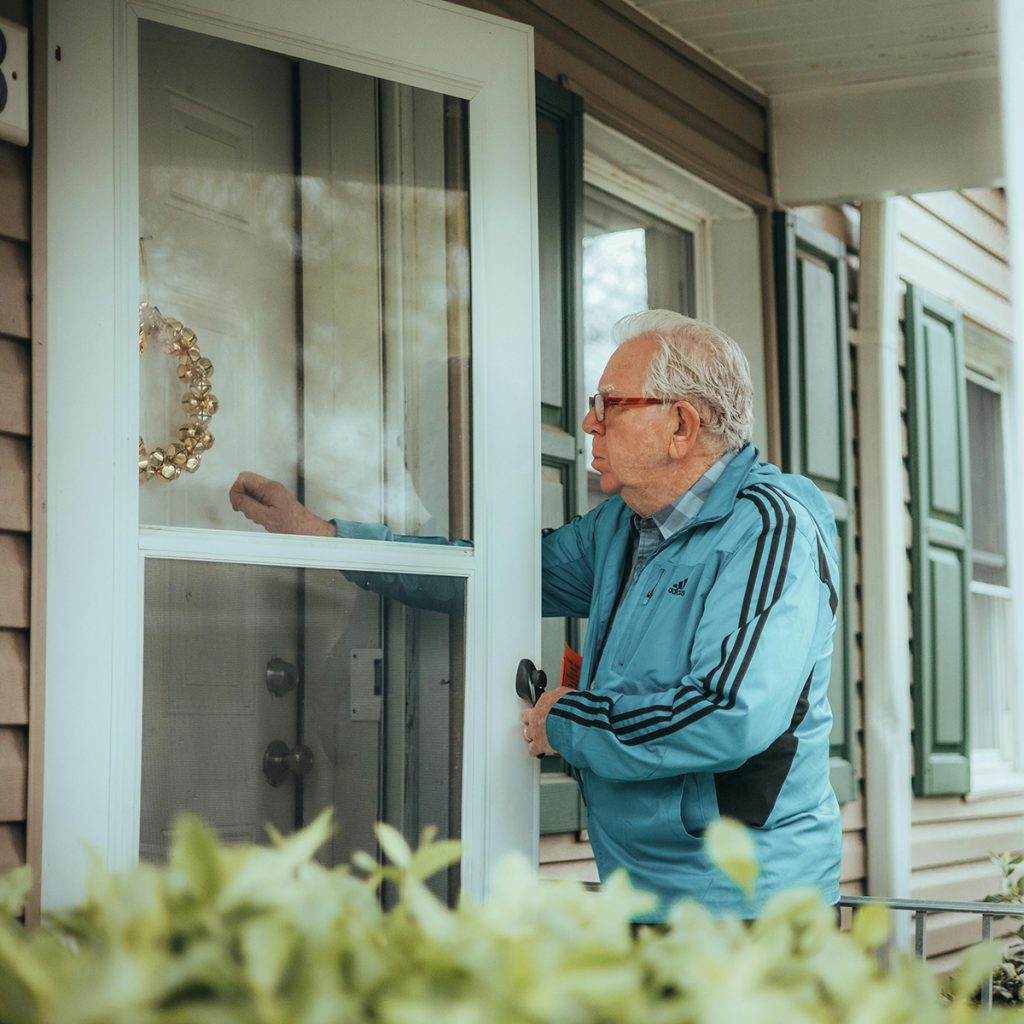
Think about the physical steps required to open a door while using a walker: you have to roll up to the door, plant your feet, release one hand from your walker’s brake grip, grab the knob, pull or push the heavy door slab toward you while actively stepping backward to clear the swing path, and then quickly try to roll through the opening before the door swings shut.
This movement is a primary trigger for backward tipping falls. When seniors try to pull a heavy exterior door open while balancing on a walker, the door’s resistance can pull them forward, or the recoil can push them backward off-balance.
Many families try to work around this by simply propping doors wide open with heavy wedges. But leaving exterior doors propped open compromises your home security, lets drafts in, and ruins your climate control.
To achieve true, unassisted entry and exit, you need an Automatic Residential Door Opener. This piece of assistive technology uses a low-voltage motorized arm to unlatch, swing open, hold, and close a door with zero physical effort from the user. Let’s look past the glossy product catalogs, dive into the mechanics of residential door automation, and review the best solutions on Amazon.
The Physics of Residential Door Automation: Essential Standards
Automatic doors in commercial spaces rely on high-energy pneumatic systems and overhead safety sensors. For home use, however, you must select a system designed for residential doors and personal safety. Prioritize these standards:
-
Low-Energy Swing Operators (ANSI/BHMA A156.19 Compliance): You do not want a fast-opening commercial door in your home. Home units must be low-energy operators. They are engineered to open slowly and with limited mechanical force. If the door arm meets any physical resistance (like a pet or a foot) while opening or closing, it must stop and reverse immediately.
-
Fail-Safe Battery Backups: Power outages occur during severe weather. If your automatic opener runs purely on AC wall power, a blackout will trap a wheelchair user inside or lock them out. A medical-grade system must feature a built-in battery backup that keeps the motor and electric latch operating for up to 24 hours without grid power.
-
Integrated Smart Electric Strikes: For exterior doors, simply swinging the door open isn’t enough; the system must physically unlock the door first. The motor must sync with an electric strike (a motorized latch receiver in the door frame) to release the deadbolt or latch before the opener arm begins its push.
Direct Comparison: Swing Openers vs. Sliding Track Units
Before choosing an opener, you must evaluate the mechanical differences between traditional swinging arms and sliding track systems.
| Feature Profile | Low-Energy Swing Door Opener (e.g., Olide-120) | Sliding Door Automation (e.g., Autoslide) |
| Mechanical Action | A motorized arm pushes/pulls a standard hinged door open. | A rack-and-pinion motor slides a pocket or patio door laterally. |
| Best Application | Front entry doors, bedroom doors, bathroom entries. | Sliding glass patio doors, pocket doors, heavy barn doors. |
| Swing Path Hazard | High; requires a clear “swing zone” arc for the door to move safely. | Zero; the door slides flush within the wall track, saving space. |
| DIY Installation Level | Advanced; requires mounting to studs and aligning electric lock strikes. | Moderate; tracks mount over existing glass door rails. |
| Typical Cost Range | $550 – $800 | $450 – $750 |
Top-Rated Automatic Door Openers on Amazon
To ensure you select a system that matches your physical capabilities and home layout, consider these highly rated options:
1. Best Overall for Standard Hinged Doors: Olide-120BL Smart Handicap Swing Door Opener
The absolute gold standard for residential interior and exterior swing doors, delivering commercial-grade reliability in a residential-friendly package.
-
Why I Recommend It: The Olide-120BL is a highly versatile, low-energy swing operator. It features a smart brushless motor that operates quietly and handles heavy solid-wood doors weighing up to 260 pounds.
-
The Safety Advantage: It includes an automatic obstacle detection system. If the door meets even a minor obstruction while swinging, it stops and reverses instantly to prevent injury. It easily pairs with wireless handicap push buttons, hand-held remotes, or smart home assistants.
2. Best for Sliding Glass and Patio Doors: Autoslide Automatic Sliding Door Starter Kit
The ultimate solution for seniors who want to enjoy their backyard patios or operate heavy sliding pocket doors without straining their shoulders.
-
Why I Recommend It: Sliding patio doors are notoriously heavy and prone to catching on dirty tracks. The Autoslide utilizes a low-voltage motor and a simple rack-and-pinion track that mounts directly above your existing sliding door.
-
The Clinical Benefit: It completely eliminates the heavy pulling force required to open sliding glass doors, which can cause shoulder pain for seniors with arthritis. It features secure lock settings and can be activated via wireless push pads or motion sensors.
3. Best Smart Lock Integration Companion: Yale Assure Lock 2 with Wi-Fi
The perfect companion upgrade for any automatic swing door opener, allowing you to secure your home without relying on physical keys.
-
Why I Recommend It: If your automatic opener uses an electric strike, you need a smart lock that can unlock automatically as you approach. The Yale Assure Lock 2 can be programmed to auto-unlock via your phone’s Bluetooth or Wi-Fi, releasing the door latch right before the Olide Opener activates.
Joshua’s 4-Step Installation & Calibration Safety Protocol
To ensure your new automatic door opener operates safely without creating unexpected structural or physical hazards, follow this setup sequence:
FAQ: Critical Questions Regarding Automatic Door Openers
Q: Can I install an automatic door opener myself, or do I need a professional?
A: If you are comfortable locating wall studs, mounting heavy metal brackets, and adjusting basic electronics, kits like the Olide-120BL are designed for DIY installation. However, if you need to integrate an electric lock strike into an exterior door frame, hiring a local locksmith or low-voltage technician is highly recommended to ensure the lock releases perfectly before the door swings.
Q: Will the door still open manually if the power goes out and the backup battery dies?
A: Yes. High-quality residential openers use a clutch-driven motor. If the system loses power entirely, the door can still be pushed or pulled open manually just like a standard door, ensuring you are never trapped inside during an emergency.
Q: Do these systems work with smart home assistants like Alexa or Google Home?
A: Yes, most modern smart models (including the Wi-Fi versions of the Olide-120BL) can link directly to your smart assistant. This allows a senior resting in bed to say: “Alexa, open the front door,” to let in a visiting nurse or family member without getting up.
The PT Verdict: Independence is found in the everyday movements we often take for granted. Struggling to pull open a heavy door while balancing on a walker is an unnecessary risk that can cause serious injury. By installing an automatic system like the Olide-120BL or the Autoslide, and pairing it with a secure Yale Smart Lock, you remove a major physical barrier, protect your balance, and move freely through your home with safety and dignity.
Clear the Path. Open with Ease. Age at Ease.
Best Heavy-Duty Doormats that Won’t Trip You Up: High-Traction Entrance Safety
Disclosure: As an Amazon Associate, I earn from qualifying purchases of automatic swing door openers, sliding door track kits, smart locks, glow-in-the-dark safety tapes, and home security tools. This helps support our independent senior home accessibility labs at Aging At Ease.