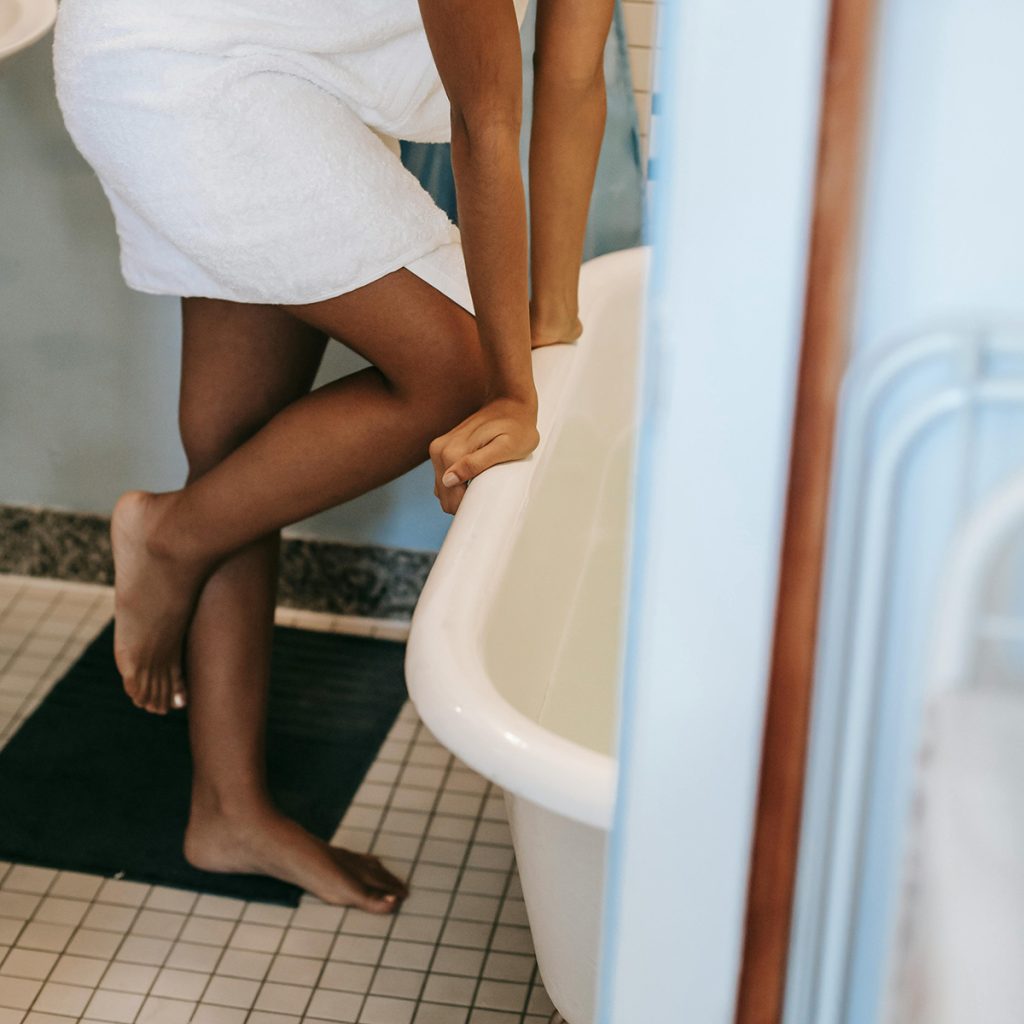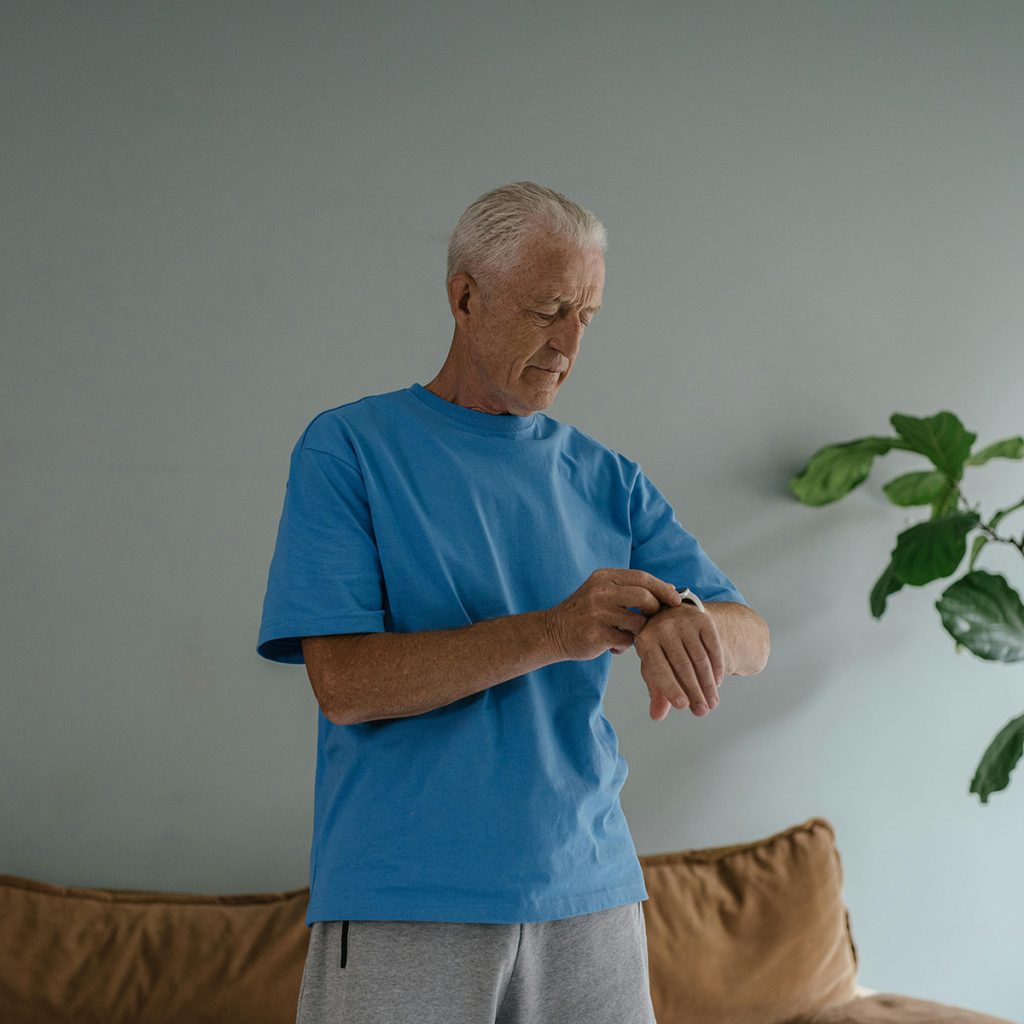
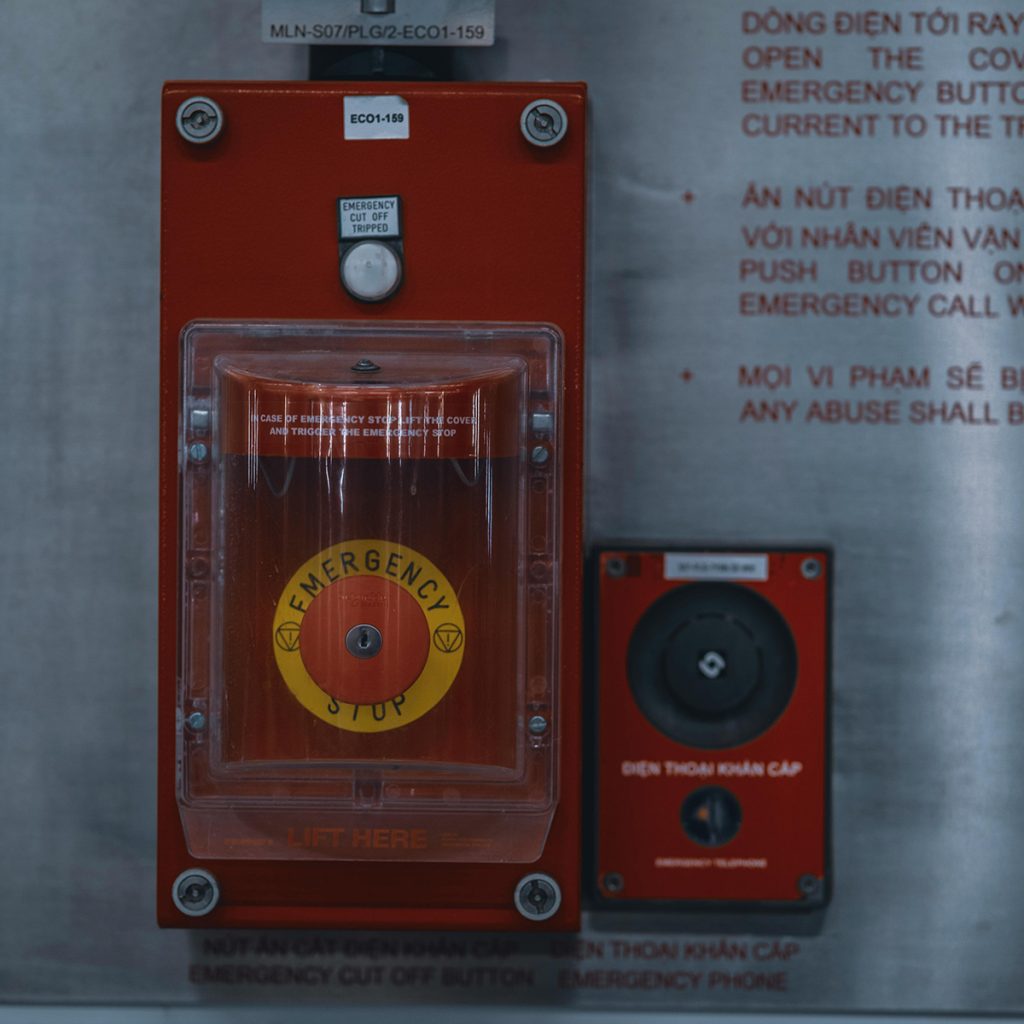
In my New York clinic, when evaluating a home for a patient’s safe discharge, the bathroom is always my primary focus. We install non-slip mats, clamp-on tub rails, and anti-fatigue surfaces, but we must also prepare for the worst-case scenario. If a fall does happen, the most critical factor is how quickly the person can call for help.
Many seniors leave their wearable medical alert buttons on the nightstand because they don’t like the feeling of a plastic pendant against their skin while bathing. If they slip and fall on the wet tile, they can find themselves trapped on the floor for hours, unable to reach a phone.
Wall-mounted panic buttons bridge this dangerous safety gap. In 2026, these devices feature extended battery life, flawless wireless range, and fully waterproof seals. At Aging At Ease, we reviewed the top wall-mounted emergency buttons based on waterproof ratings, ease of physical activation, and pulling-cord options.
1. The Industry Leader: Medical Guardian Wall Button
Medical Guardian is one of the most trusted names in senior safety, and their specialized wall button is explicitly designed for high-moisture environments.
-
Why I Recommend It: This button features a massive, high-contrast red activating surface that can be easily pushed with a fist, an elbow, or even a foot if a senior is stuck on the floor. It pairs wirelessly with their home cellular base station and has a range of up to 500 feet.
-
Pros: 100% waterproof (can be mounted directly inside the shower stall); 2-3 year battery life with automatic low-battery monitoring; texturized surface prevents fingers from slipping.
-
Cons: Requires an active monthly Medical Guardian subscription to connect to their 24/7 monitoring center.
-
Best For: Seniors who already utilize a home medical alert system and want to expand their safety net into the shower stall.
2. Best for Floor-Level Access: Life Station Premium Wall Button with Pull Cord
If a senior falls and cannot pull themselves up to counter height, a standard wall button mounted at eye level becomes useless.
-
Why I Recommend It: Life Station solves the floor-access problem by attaching a long, highly visible pull cord directly to the bottom of the wall-mounted button. The unit is mounted at shoulder height, but the cord hangs down safely to within two inches of the floor.
-
Pros: Allows a fallen individual to trigger the alarm simply by pulling the cord from the floor; fully waterproof and safe for steam; gentle mechanical tug requires minimal upper-body strength.
-
Cons: The hanging cord must be positioned carefully so it doesn’t accidentally catch on a rolling walker or a cane.
-
Best For: Older adults with severe mobility impairments or history of drop-attacks who might not be able to sit up after a fall.
3. Best No-Monthly-Fee Option: CallToU Wireless Caregiver Pager System
If you live with a family member or a full-time caregiver and don’t need a professional monitoring center, you don’t need to pay a monthly subscription.
-
Why I Recommend It: The CallToU system is a local smart-pager. When the waterproof wall button is pressed in the bathroom, it instantly triggers a loud, flashing plugin receiver kept in the caregiver’s bedroom or living room.
-
Pros: Zero monthly fees; includes multiple portable receivers for the family; very loud chime options (up to 110 dB) to ensure it wakes a sleeping caregiver.
-
Cons: It does not call emergency services (911)—it only alerts people inside or immediately around the house.
-
Best For: Seniors who live in multi-generational households or have a live-in family caregiver.
4. Best Smart Home Integration: Ring Alarm Panic Button (2nd Gen)
For tech-savvy families who already protect their home perimeter with a smart security system, adding a dedicated panic trigger is incredibly straightforward.
-
Why I Recommend It: If you have a Ring Alarm setup, this compact button can be mounted to the bathroom wall using simple, damage-free adhesive strips. It can be programmed to instantly sound the house siren, send a push notification to all family smartphones, or dispatch local emergency services.
-
Pros: Seamlessly integrates with existing home automation; affordable hardware cost; option to test the button via the app without triggering a false alarm.
-
Cons: Not fully submersible in water (it is water-resistant, so it should be mounted outside the direct splash zone of the shower head).
-
Best For: Seniors living independently whose children actively monitor their safety via a smart home application.
5. Best Low-Vision Interface: Bay Alarm Medical Waterproof Wall Button
Bay Alarm Medical focuses on extreme simplicity, stripping away unnecessary design elements to create a highly functional safety device.
-
Why I Recommend It: This button utilizes an ultra-bold, oversized glowing border that helps individuals with cataracts, glaucoma, or low vision locate the emergency switch in total darkness or through a steam-filled shower glass.
-
Pros: Clear tactical feedback (clicks firmly when pressed); excellent battery life; compact, low-profile design that doesn’t ruin your bathroom decor.
-
Cons: Requires a central Bay Alarm Medical base station to function.
-
Best For: Seniors with vision loss who worry about navigating a dark bathroom in the middle of the night.
Joshua’s PT Blueprint for Button Placement:
A safety tool is only as good as its positioning. To maximize fall protection, you should install buttons in two distinct “danger zones” within the bathroom:
-
The Toilet Transfer Zone (Floor Level): Mount a pull-cord button directly adjacent to the toilet paper holder, roughly 32 inches from the floor. Ensure the cord drapes down completely to the baseboard so it can be reached if someone slips while standing up from the toilet.
-
The Wet Zone (Shower Interior): Mount a fully waterproof button directly opposite the main shower faucet at chest height (roughly 48-50 inches from the floor). This ensures it can be hit easily if a senior loses their footing while turning around or washing.
-
The No-Drill Rule: Use premium, moisture-resistant Command outdoor adhesive strips to mount these buttons on smooth tile surfaces. This keeps them completely stable without drilling holes into your bathroom grout, making them perfectly safe for rental apartments.
Secure Your Boundaries. Fall-Proof Your Home. Aging at Ease.
Disclosure: As an Amazon Associate, I earn from qualifying purchases of senior safety equipment and home medical devices. This helps support our mission at Aging At Ease to maintain a comprehensive, independent library for fall prevention.