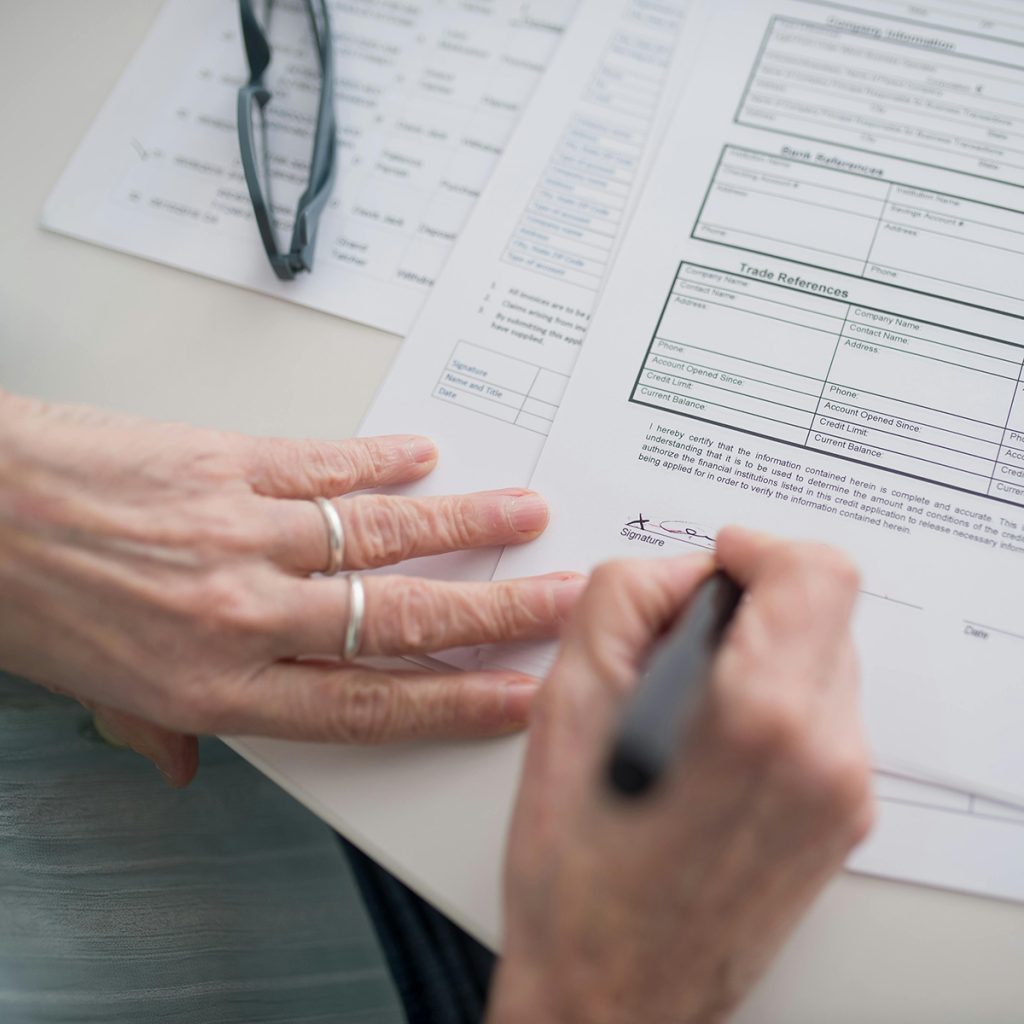

Over decades of working in physical rehabilitation and home health care, I have sat at countless kitchen tables with older adults and their adult children. Often, a senior will look around their home, point to their physical belongings, and proudly tell me: “Joshua, everything is taken care of. I wrote down exactly who gets what in my Will, so my kids won’t have to face any headaches when I’m gone.”
As a physical therapist, my job is to diagnose mobility blockages before they cause a catastrophic fall. But when I hear this specific statement about a simple Will, a different kind of red flag goes up. I know that this family is operating under a massive, incredibly common legal misunderstanding—one that could potentially lock their inheritance in court for months and drain thousands of dollars in unnecessary emotional and financial stress.
True wellness for seniors isn’t just about physical strength or home safety modifications; it is about absolute mental peace of mind. Knowing that your hard-earned assets will transition smoothly to your children without entering a bureaucratic nightmare is a profound form of cognitive self-care. At Aging At Ease, we strip away the dense legal jargon to break down the foundational differences between a Will and a Living Trust, helping you choose the right shield to protect your family.
The Probate Trap: Why a Will is Not Enough
The single biggest misconception in estate planning is that a Will bypasses the court system. It does not. In fact, a Will is simply an official letter of instruction addressed to a probate judge.
When a senior passes away leaving only a Will, the family must immediately enter a legal minefield known as Probate—the court-supervised process of validating the Will, cataloging assets, paying off creditors, and distributing what remains.
Probate introduces three major structural complications for grieving families:
-
Severe Time Delays: Depending on your state or province, the probate court process can freeze assets and drag on anywhere from 9 months to over two years. During this time, your children may struggle to pay for the house’s ongoing maintenance or mortgage.
-
Aggressive Financial Erosion: Between court filing fees, executor fees, and mandatory probate attorney costs, the process easily consumes 3% to 8% of the estate’s total value before your family touches a single dollar.
-
Complete Loss of Privacy: Probate is a matter of public record. Anyone—including aggressive telemarketers, estranged relatives, or financial predators—can walk into the courthouse and read exactly what assets you owned and where your children live.
The Living Trust: The Ultimate Legal Detour
A Revocable Living Trust is a highly sophisticated, private legal entity created during your lifetime to hold ownership of your major assets (like your primary home, bank accounts, and investment portfolios).
You remain the “Trustee” (the manager) of your assets for as long as you are alive and healthy. You can buy, sell, or spend everything exactly as you do now. However, you name a “Successor Trustee”—usually a responsible adult child or a professional fiduciary—to step in the moment you pass away or become physically or cognitively incapacitated.
Because the Trust owns the property, not you personally, there is absolutely nothing for a probate court to process. The day after your passing, your Successor Trustee can step into your shoes and distribute your assets directly to your beneficiaries in private, smoothly bypassing thousands of dollars in court fees and months of administrative delays.
Wills vs. Living Trusts: The Head-to-Step Comparison
To help you choose the right legal tool for your specific household dynamics, examine this comparative architectural matrix:
| Feature / Metric | Last Will & Testament | Revocable Living Trust |
| Bypasses Probate Court? | No. Must be verified by a judge. | Yes. Completely avoids the court gridlock. |
| When Does it Take Effect? | Only after your physical death. | Immediately during your life; covers incapacity. |
| Protects Against Incapacity? | No. If you develop severe dementia, a Will is useless. | Yes. Successor Trustee takes over if you become incapacitated. |
| Privacy Levels | Public. Anyone can view the filed documents. | Private. Kept strictly within the family. |
| Naming Guardians for Minors | Yes. The primary legal document to name guardians. | No. Must be handled via a supporting Will. |
| Upfront Setup Cost | Low. Inexpensive to draft initially. | Higher. Requires precise deeds and asset funding. |
Joshua’s Step-by-Step Estate Organizing Protocol
Whether you choose a Will or a Living Trust, you must organize your physical paperwork so your family can execute your wishes during a medical emergency. Do not force your children to hunt through chaotic shoeboxes or dusty desk drawers. Follow this exact organization blueprint using specialized tools available on Amazon:
Plan Ahead. Protect Your Family. Aging at Ease.
Disclosure: As an Amazon Associate, I earn from qualifying purchases of estate planning guidebooks, guided emergency organizers, and fireproof document safes. This helps support our independent senior financial security research initiatives at Aging At Ease.