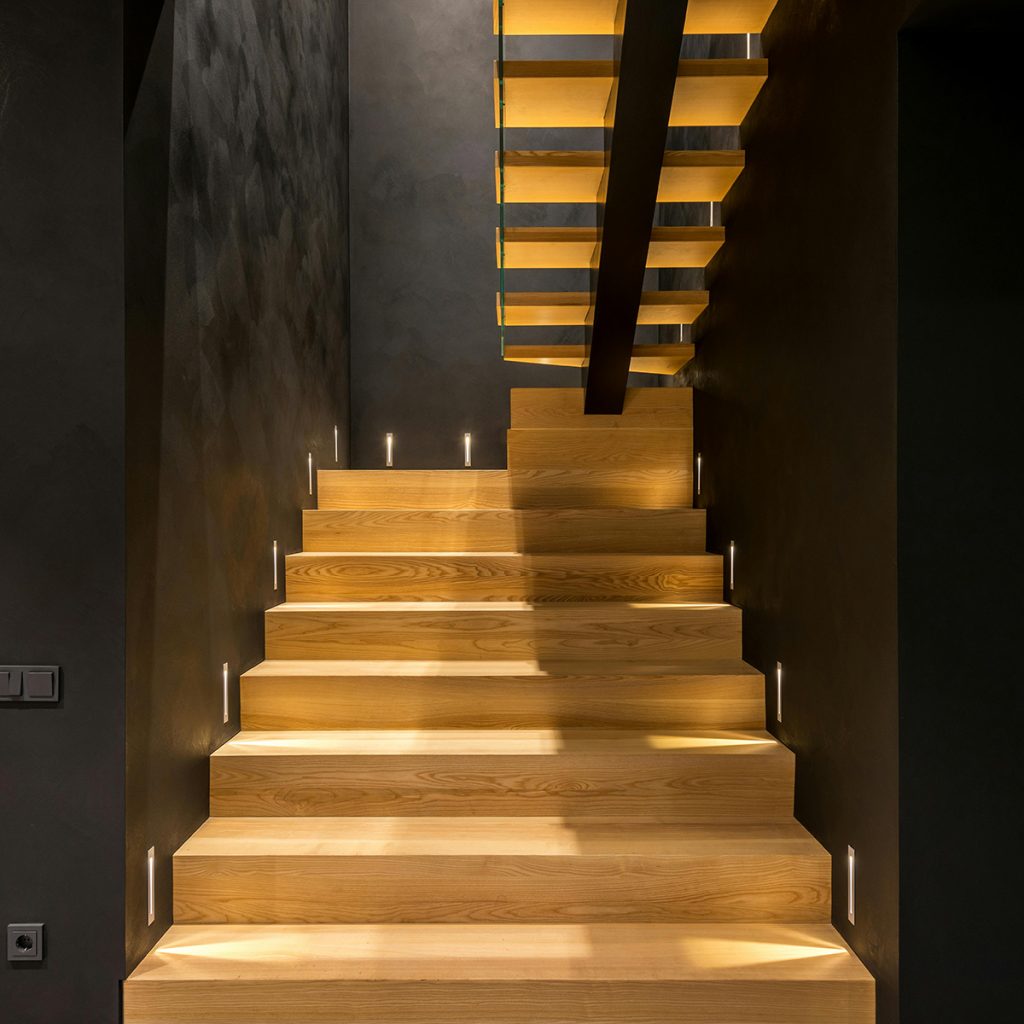

In my practice, I’ve seen that the smallest obstacles often cause the biggest falls. We spend a lot of time talking about stairs, but it’s the transition between the kitchen tile and the living room carpet—the “unseen threshold”—that catches most walkers and power chairs.
A low-profile threshold ramp is a simple, non-structural fix that eliminates the “jolt” of crossing a doorframe. We have moved beyond clunky metal plates to sleek, slip-resistant materials that blend into your home decor.
As a Physical Therapist, I’ve evaluated these ramps based on gradient safety (slope), traction, and weight capacity. Here are my top 5 picks to help you move freely.
1. The Best for Grip & Durability: Silver Spring Rubber Solid Threshold Ramp
Rubber is my top recommendation for indoor use because it “grips” the floor without the need for screws or adhesives.
-
Why I Recommend It: Made from 100% recycled rubber, this ramp is naturally slip-resistant. Its weight keeps it firmly in place, even when a heavy power chair rolls over it. It can also be easily trimmed with a saw to fit narrow doorways perfectly.
-
Pros: Quiet (no “clack” sound like aluminum); fits almost any floor surface; available in heights from 1/2″ up to 4″.
-
Cons: It can have a “rubbery” smell for the first 48 hours (I recommend airing it out on the porch first).
-
Best For: Most indoor transitions, especially in high-traffic areas like the kitchen or bathroom.
2. Best for Adjustable Heights: EZ-ACCESS Transitions Modular Entry Ramp
Not every threshold is a standard height. This modular aluminum system allows you to add or remove “slats” to get the perfect fit.
-
Why I Recommend It: If your floor height changes (e.g., after installing new flooring), you don’t need a new ramp. You just adjust the modules. The “EZ-Traction” surface provides incredible grip for the rubber tips of a walker or cane.
-
Pros: Lightweight yet supports up to 700 lbs; rust-proof; very professional appearance.
-
Cons: Requires a bit of assembly; can feel “colder” under bare feet compared to rubber.
-
Best For: Doorways with unusual heights or for tech-savvy seniors who want a precision fit.
3. Best for Robot Vacuums & Light Walkers: OUNONA Rubber Threshold Strips
If you have very low thresholds (under 1 inch) and use a [Robotic Vacuum], these thin strips are the ideal “minimalist” solution.
-
Why I Recommend It: These are very subtle. They are often sold as adhesive strips that you simply peel and stick. They provide just enough of a slope to prevent a walker from “catching” on a raised lip without being a bulky addition to the room.
-
Pros: Extremely low profile; very affordable; almost invisible.
-
Cons: Not suitable for heavy power chairs or significant height differences.
-
Best For: Internal room transitions where the height difference is minimal but annoying.
4. Best for Aesthetics: SafePath Court-Side Wellness Ramp
Many of my patients at Aging At Ease worry that ramps will make their home look like a hospital. SafePath offers ramps with a “finished” look.
-
Why I Recommend It: These ramps feature beveled edges on three sides, allowing you to approach the ramp from any angle (not just head-on). This is a huge safety benefit if your hallway is narrow and you need to turn into a room.
-
Pros: Sleek design; slip-resistant even when wet; excellent for walkers.
-
Cons: Typically more expensive than standard rubber ramps.
-
Best For: Seniors who value home aesthetics and need a safe, multi-directional approach.
5. Best Portable Solution: Titan Ramps Aluminum Folding Threshold Ramp
If you need a ramp that you can take with you to a friend’s house or a vacation rental, a folding model is essential.
-
Why I Recommend It: It’s made of lightweight aluminum and folds in half like a book. It has a built-in handle, making it easy for a family member or caregiver to carry and set up in seconds.
-
Pros: Very portable; supports heavy weights; no installation required.
-
Cons: Not as stable as a fixed rubber ramp for long-term use.
-
Best For: Travel, visiting relatives, or temporary use during post-surgery recovery.
Joshua’s PT Safety Tips for Threshold Ramps:
-
Check the “Lip”: Ensure the top edge of the ramp sits flush with the threshold. If there is even a 1/4 inch gap, it can still cause a trip. If the ramp is too low, use Industrial Strength Velcro to shim it up.
-
The 1:12 Rule: For every inch of height, you ideally want 12 inches of ramp length. For low indoor thresholds, a 1:6 ratio is usually acceptable, but never go steeper than that, as it makes pushing a walker significantly harder.
-
Contrast Matters: If your ramp is the same color as your floor (e.g., black rubber on dark wood), it can be hard to see. Place a strip of High-Contrast Safety Tape on the edge of the ramp to mark the transition clearly.
Move Freely. Aging at Ease.
Disclosure: As an Amazon Associate, I earn from qualifying purchases. This helps support our mission at Aging At Ease to provide expert safety advice to seniors and their families.
Read too: Review: 5 Best Portable Ramps for Wheelchairs and Walkers