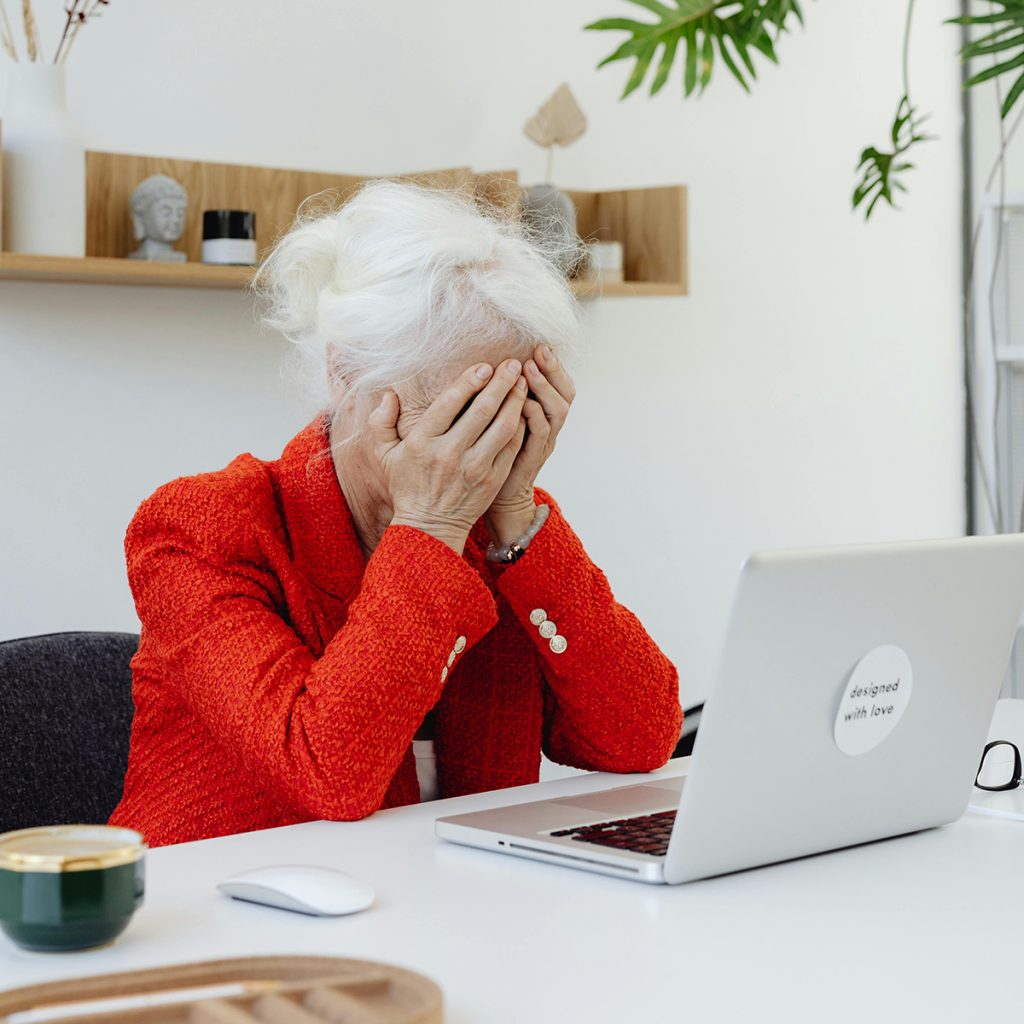
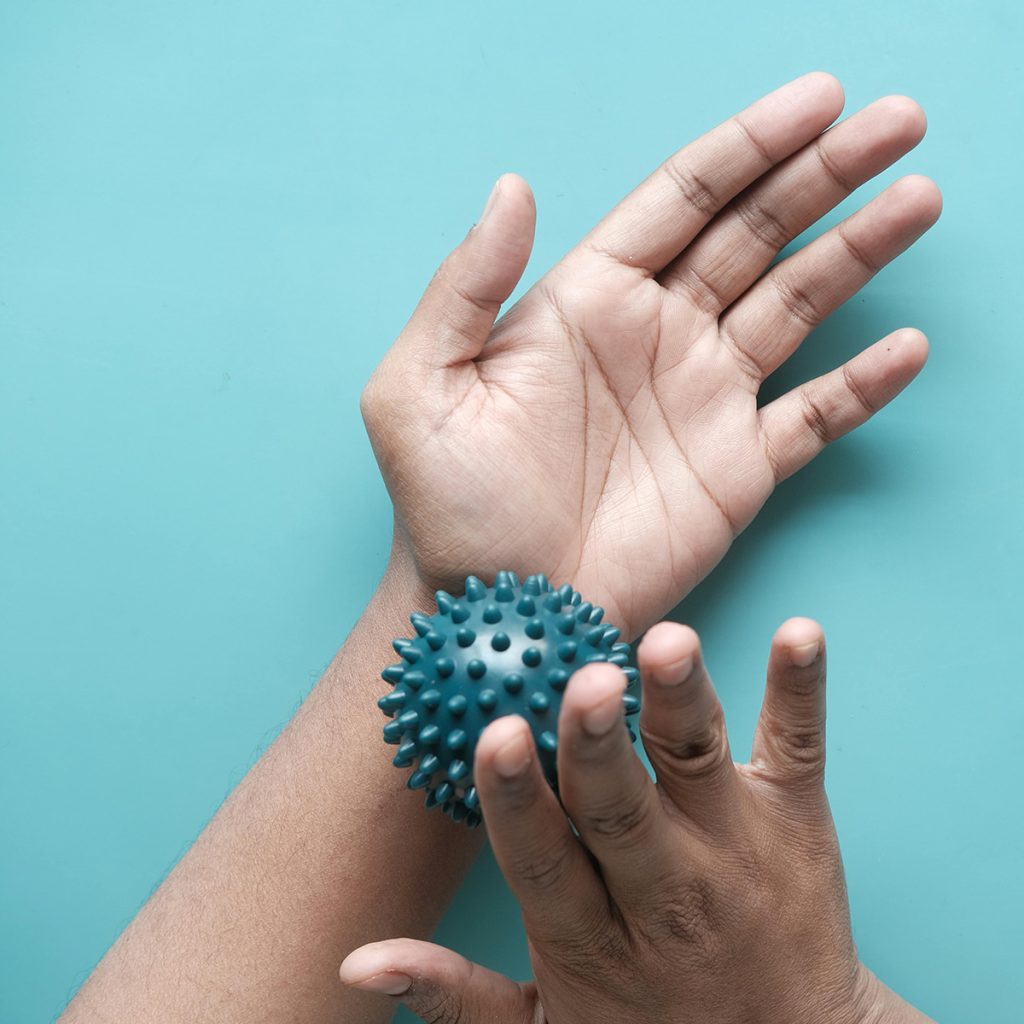
In my New York clinic, I often remind family members: “You cannot pour from an empty cup.” Taking care of a loved one with dementia or limited mobility is a marathon, not a sprint. Chronic stress triggers the “fight or flight” response, keeping your cortisol levels high and your muscles tense.
Stress relief has gone high-tech. We now have portable devices that can “reset” your nervous system in as little as five minutes. Whether you are waiting for a doctor’s appointment or sitting by a bedside, these gadgets help you maintain your own health while caring for others.
As a Physical Therapist, I’ve vetted these for portability, ease of use, and scientific effectiveness. Here are my top 5 picks to help you “Aging at Ease” together.
1. The Best for Immediate Calm: Apollo Neuro Wearable
This isn’t a fitness tracker; it’s a “stress relief” wearable that you can wear on your wrist or ankle.
-
Why I Recommend It: It uses scientifically-vetted silent vibrations (haptic waves) to signal safety to the brain via the sense of touch. It helps balance the nervous system, improving sleep and focus without you having to “do” anything.
-
Pros: Works passively while you work; multiple modes (Clear & Focused, Rebuild & Recover, Unwind); no effort required.
-
Cons: Higher initial investment; requires a smartphone for setup.
-
Best For: Caregivers who feel constantly “on edge” and don’t have time for traditional meditation.
2. Best for Muscle Tension: Theragun Mini (2nd Gen)
Stress always manifests in the body—usually as knots in the shoulders and neck.
-
Why I Recommend It: As a PT, I love the Mini because it’s small enough to fit in a handbag but powerful enough to perform deep tissue massage. 5 minutes on your upper traps can prevent a stress-induced tension headache.
-
Pros: Ultra-portable; quiet “QuietForce” technology; 150-minute battery life.
-
Cons: Requires active use (you have to hold it).
-
Best For: Caregivers who suffer from “Hunched Shoulder” syndrome from lifting or assisting their loved ones.
3. Best for Mental Reset: Sensate 2 Infrared Resonance Device
This pebble-shaped device sits on your chest (on the sternum) and uses infrasonic bone conduction to calm the vagus nerve.
-
Why I Recommend It: The vagus nerve is the “off switch” for stress. Sensate pairs with an app that plays “composed soundscapes.” You feel the vibrations in your chest while you hear the music. It’s a 10-minute “brain break” that feels like an hour of sleep.
-
Pros: Deeply relaxing; works quickly; high success rate for anxiety reduction.
-
Cons: You must be lying down or reclining to use it effectively.
-
Best For: Caregivers during their loved one’s nap time or before bed to ensure quality sleep.
4. Best for Fidgeting & Anxiety: ONO Roller (Steel Edition)
If you find yourself pacing or mindlessly scrolling your phone when stressed, you need a tactile “grounding” tool.
-
Why I Recommend It: Unlike “fidget spinners” which can feel like toys, the ONO Roller is a professional, heavy-weight tool. Moving the rollers in your hand provides a satisfying, rhythmic sensation that lowers heart rate and improves focus.
-
Pros: Silent (won’t disturb a sleeping patient); feels premium; indestructible.
-
Cons: Minimal features (it’s a purely tactile tool).
-
Best For: Caregivers who feel “jittery” or restless during long periods of waiting.
5. Best for Better Sleep: Moonbird Handheld Breathing Coach
Breathing is the fastest way to control your heart rate, but when you’re stressed, it’s hard to focus on counts.
-
Why I Recommend It: You hold this small device in your hand. It physically expands and contracts, “breathing” with you. You simply match your breath to its physical movement. It’s intuitive and eliminates the “mental work” of breathing exercises.
-
Pros: Tactile feedback; helps with insomnia; small and discreet.
-
Cons: Another device that needs periodic charging.
-
Best For: Caregivers who struggle to fall asleep because their “mind is racing.”“
Caregiver Rescue” Tips:
-
The “Two-Minute” Rule: You don’t need an hour. Even two minutes of using a device like the ONO Roller or a breathing coach can lower your blood pressure enough to prevent a “stress snap.”
-
Hydration is Recovery: Stress dehydrates the brain. For every hour of high-stress caregiving, drink 8 ounces of water. It sounds simple, but it’s the best “anti-stress” medicine we have.
-
The “Sensory Bridge”: If you can’t buy a gadget, use Cold Water Therapy. Splashing ice-cold water on your face for 30 seconds triggers the “mammalian dive reflex,” which instantly slows the heart rate.
Take Care of Yourself. Aging at Ease.
Disclosure: As an Amazon Associate, I earn from qualifying purchases. This helps support our mission to provide expert safety advice to seniors and their families.
Read too: 5 Signs of Caregiver Burnout You Shouldn’t Ignore: A PT’s Perspective