In my New York clinic, I always check in on my patients’ hobbies. When a passionate home cook tells me they’ve started relying more on microwave meals, it’s rarely because they lost their love for food—it’s usually because standing at the counter has become too painful.
Standing on a hard kitchen floor acts like a hammer to your joints. It compresses the spinal discs, tightens the calf muscles, and aggravates conditions like plantar fasciitis (heel pain) and knee arthritis.
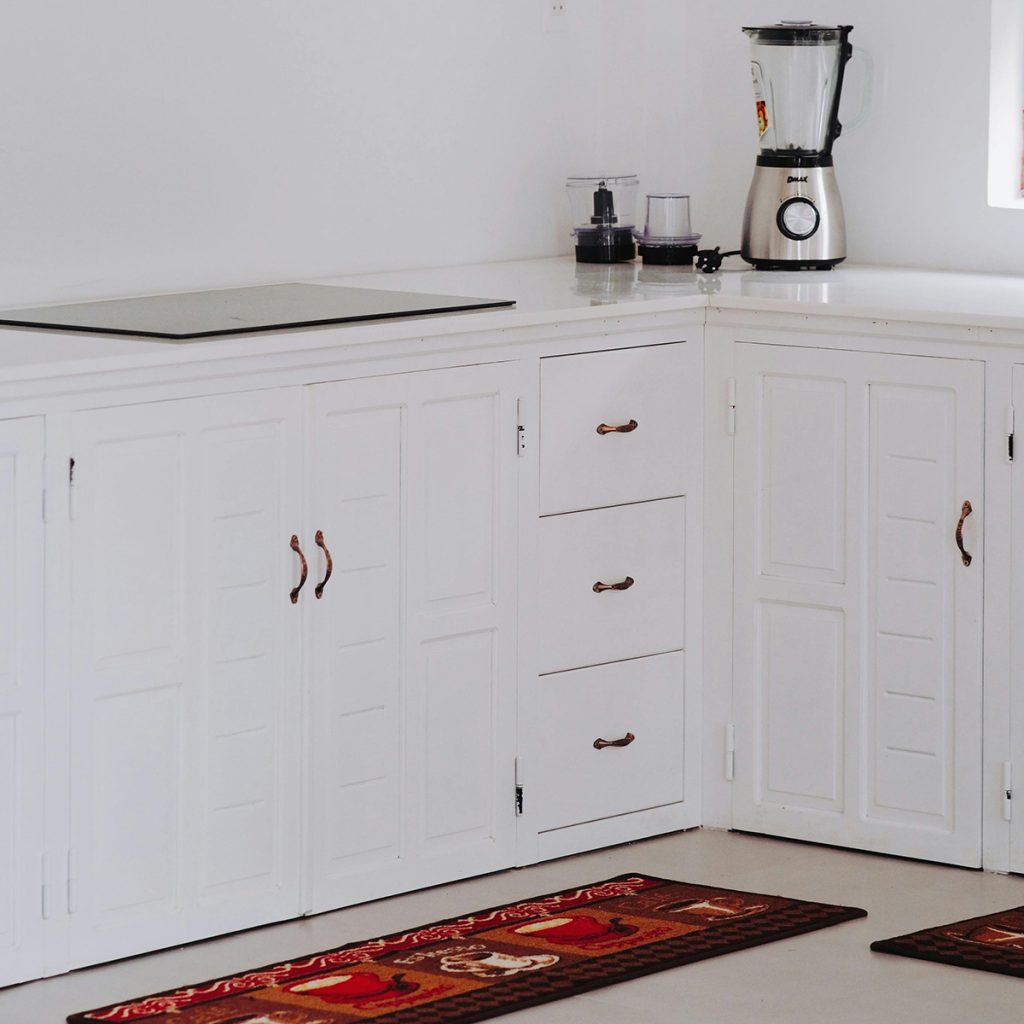
An anti-fatigue mat is the perfect “stealth therapy” tool for your kitchen. It provides a cushioned surface that forces the tiny muscles in your feet and calves to make micro-adjustments. This keeps your blood flowing and distributes your body weight evenly. At Aging At Ease, we evaluated the best kitchen mats for seniors based on shock absorption, non-slip stability, and trip-resistant edges.
1. The Medical-Grade Standard: GelPro Elite Anti-Fatigue Kitchen Mat
If you suffer from severe arthritis or chronic back pain, you need the absolute maximum level of joint protection.
-
Why I Recommend It: The GelPro Elite uses a patented dual-layer system: a top layer of soothing gel that conforms to your feet, and a bottom layer of high-density energy-return foam. It is the closest thing to standing on a cloud.
-
Pros: Unmatched pressure relief; does not bottom out over time; stain-resistant and easy to wipe clean.
-
Cons: It is a premium product with a higher price tag.
-
Best For: Seniors who spend hours standing while baking, prepping, or canning.
2. Best for Maximum Stability: Sky Solutions Anti-Fatigue Mat
For many older adults, the biggest fear with adding a mat to the kitchen is that it might cause a trip or a slip.
-
Why I Recommend It: Sky Solutions features a commercial-grade, non-slip bottom that anchors the mat firmly to the floor, whether you have slick tile or hardwood. More importantly, it has a beautifully engineered seamless tapered edge that sits perfectly flat, preventing your toe from catching when you walk over it.
-
Pros: Excellent balance of softness and support; eco-friendly, non-toxic materials; very affordable.
-
Cons: Fewer aesthetic design options compared to boutique brands.
-
Best For: Seniors with mild balance issues who prioritize absolute safety and stability.
3. Best for High-Traffic Kitchens: Kangaroo Brands Ergonomic Mat
If your kitchen is the busy heart of your home, you need a rugged mat that can handle constant movement, dropped knives, and spilled liquids.
-
Why I Recommend It: Kangaroo mats are made from 100% premium polyurethane, which is incredibly resilient. In 2026, their waterproof and stain-resistant coating has been upgraded to resist punctures from dropped kitchen utensils or high heels.
-
Pros: Phthalate-free and non-toxic; deeply cushioned; textured underside prevents shifting on wet floors.
-
Cons: The textured top surface can require a bit more wiping if thick sauces are spilled.
-
Best For: Active seniors who share their kitchen with grandkids or pets.
4. Best Low-Profile Choice: ComfiLife Anti-Fatigue Kitchen Mat
If you use a rolling walker or a cane in the kitchen, a mat that is too thick can actually become an obstacle.
-
Why I Recommend It: The ComfiLife mat is 3/4-inch thick, utilizing high-density memory foam. It provides exceptional comfort but compresses smoothly when pressure is applied, making it easier for a walker’s wheels to roll over it without getting stuck.
-
Pros: Ergonomic memory foam core; life-time warranty; clean, classic look.
-
Cons: Not as soft as the GelPro gel-based model.
-
Best For: Seniors who use mobility aids but still want protection for their joints.
5. Best for Style and Comfort: Gorilla Grip Premium Anti-Fatigue Mat
You shouldn’t have to sacrifice your kitchen’s interior design just to get medical-grade comfort.
-
Why I Recommend It: Gorilla Grip is famous for its durability, but this specific line comes in dozens of elegant patterns, colors, and textures that look like premium woven rugs while offering thick polyurethane foam protection underneath.
-
Pros: Beautiful designs; very strong grip on all floor types; ships flat (never curled or creased).
-
Cons: The stylish patterns can show light-colored flour or dust more quickly, requiring more frequent sweeping.
-
Best For: Design-conscious seniors who want their safety gear to blend seamlessly with their home decor.
Joshua’s PT Safety Tips for Kitchen Ergonomics:
-
Avoid the “Curled Edge”: Cheap mats are often shipped rolled tightly in a tube, causing the corners to curl up when unpacked. Never use a curled mat. It is a major trip hazard. If a mat doesn’t lay perfectly flat right out of the box, return it or weigh the edges down with heavy books for 48 hours before stepping on it.
-
Combine with Safe Footwear: An anti-fatigue mat works best when paired with the right shoes. Avoid cooking barefoot or in loose slippers. Wear a pair of supportive, rubber-soled shoes (like the [Skechers Hands-Free Slip-Ins] we reviewed) to double your defense against joint pain.
-
The “Pivot” Rule: When moving between the sink, the counter, and the stove, don’t twist your spine while keeping your feet planted on the mat. Lift your feet and pivot your whole body to prevent strain on your lower back and knees.
Cook with Comfort. Protect Your Joints. Aging at Ease.
Review: 5 Best Electric Jar Openers for Seniors with Arthritis
Disclosure: As an Amazon Associate, I earn from qualifying purchases of ergonomic home and kitchen products. This helps support our mission at Aging At Ease to provide expert advice for pain-free independent living.