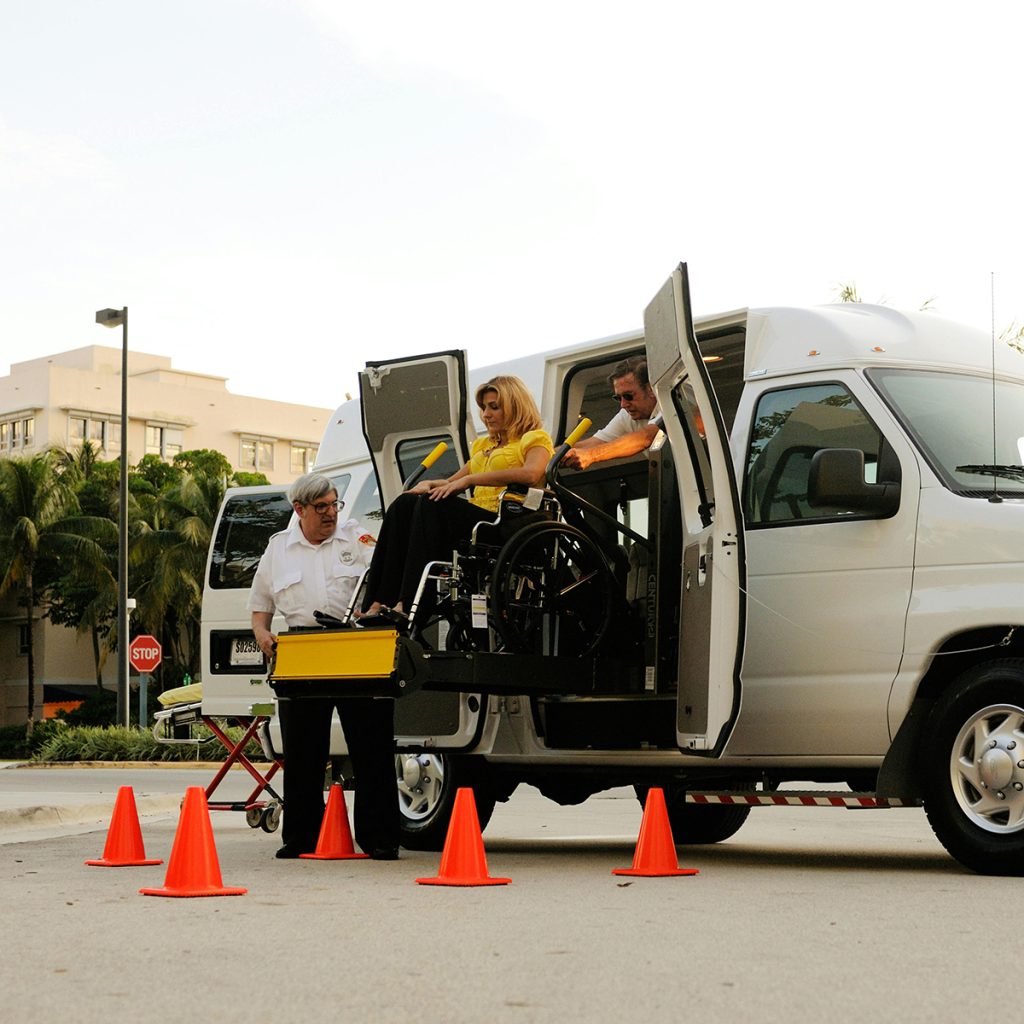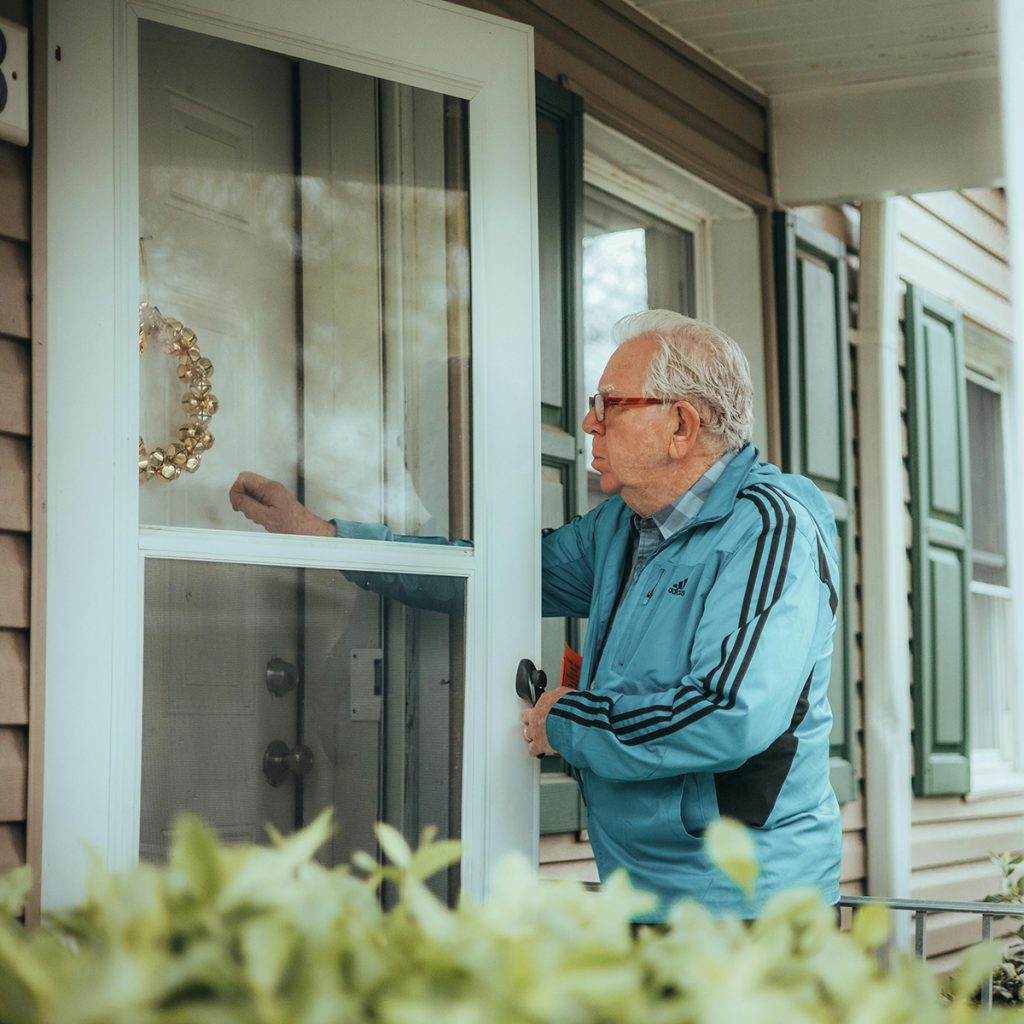
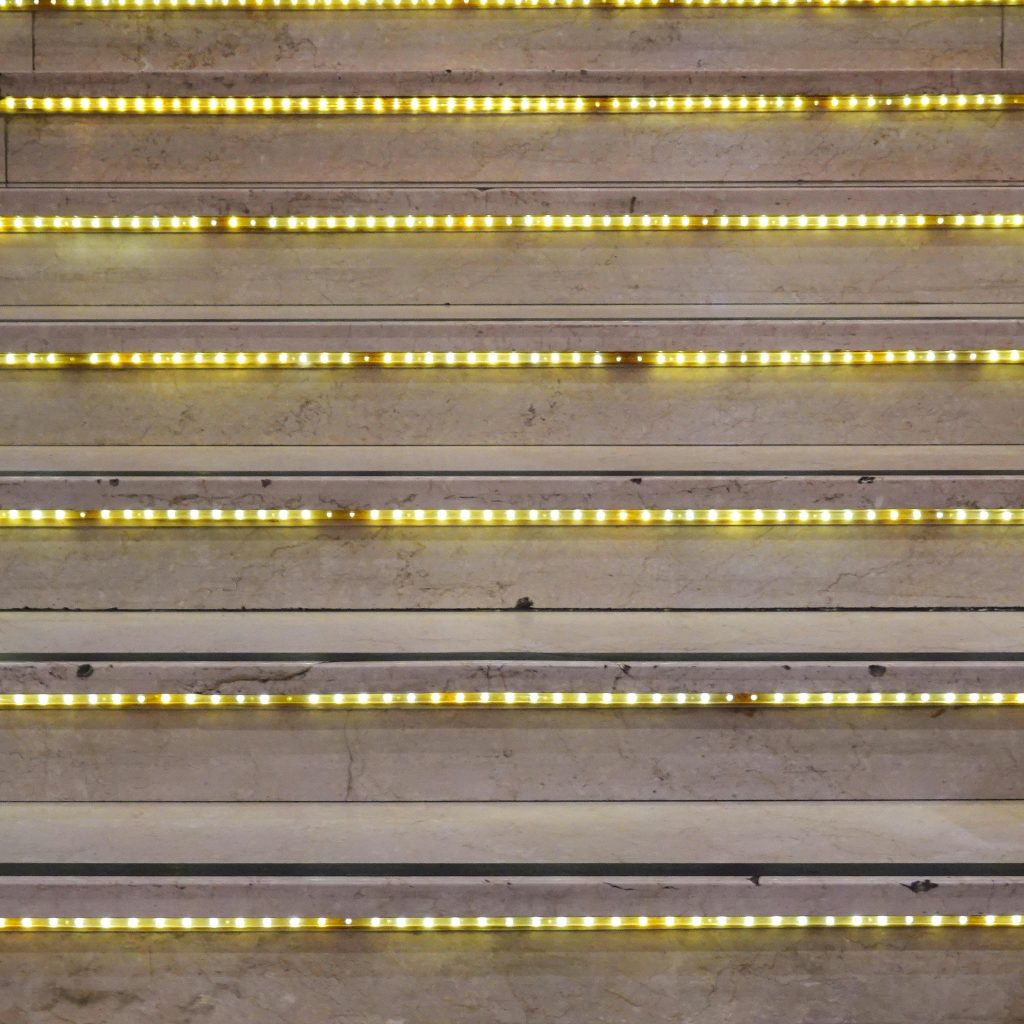
In my New York clinic, I’ve noticed a pattern: falls often happen during the “golden hour”—that transition between dusk and dark. As we age, our eyes need more time to adjust to changing light levels, and our depth perception can falter. A set of concrete stairs that looks clear at noon can become a dangerous “gray blur” at 7 PM.
To “Aging at Ease,” your outdoor stairs must be illuminated in a way that eliminates shadows and clearly marks the nosing (the front edge) of every single step. We have smarter, more efficient options that don’t require expensive electrical work.
As a Physical Therapist at Aging At Ease, I’ve broken down the best lighting strategies to keep your gait steady and your home accessible.
1. Motion-Activated LED Sconces
If you want light exactly when you need it without wasting energy, motion sensors are the gold standard.
-
Why I Recommend It: Sensors (like those in Philips Hue Outdoor or Ring Smart Lighting) detect movement from 15-30 feet away. The sudden “flood” of light alerts the senior’s brain to pay attention to their feet.
-
PT Tip: Place these on the wall flanking the stairs at waist height. This directs the light downward onto the treads without creating a blinding glare in the eyes.
-
Best For: Main entryways and porches where you need maximum brightness for safe keyhole entry.
2. Solar-Powered “Deck” Lights
For stairs further away from the house (like garden paths or deck stairs), solar is the easiest “no-wire” solution.
-
Why I Recommend It: solar technology (like Beau Jardin or Audles) is much more reliable than older models. These small, flat lights sit directly on the vertical part of the step (the riser) and shine light directly onto the tread below.
-
Pros: Zero electricity cost; automatic “dusk-to-dawn” operation; very easy to install with just two screws.
-
Cons: Effectiveness depends on how much sunlight the stairs get during the day.
-
Best For: Sun-drenched garden steps and long wooden decks.
3. Recessed Step Lights (The “Shadow Killers”)
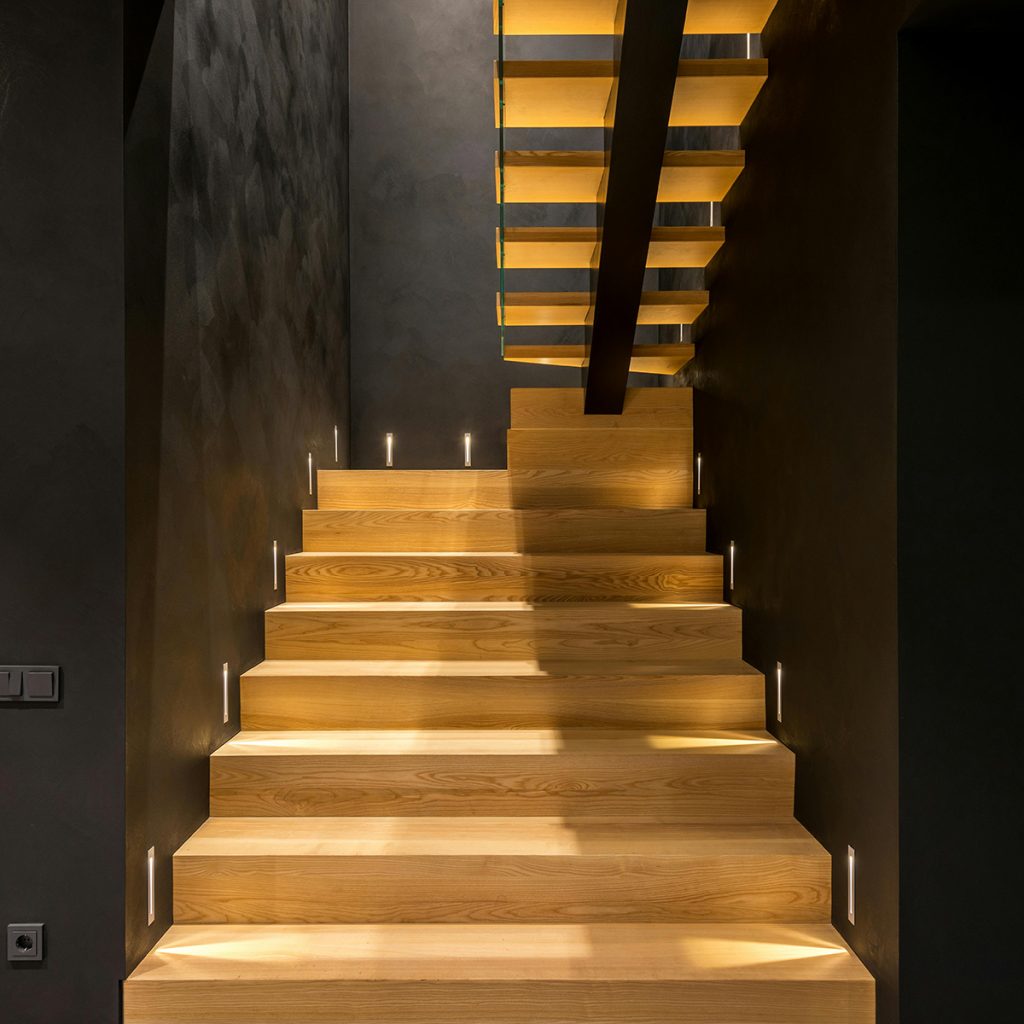
Recessed lights are built directly into the stairs or the side walls, creating a seamless, professional look.
-
Why I Recommend It: Because the light source is hidden, there is zero glare. As a PT, I prefer these because they provide a “wash” of light that covers the entire width of the step. This is vital for those who use a [Folding Walking Cane] and need to see exactly where they are placing the tip.
-
Pros: Clean aesthetic; very durable; won’t be damaged by snow shovels or leaf blowers.
-
Cons: Requires professional installation (hardwiring).
-
Best For: Permanent stone or concrete entry stairs during a home remodel.
4. Illuminated Handrails: The Double-Duty Hero
In 2026, we are seeing more handrails with integrated LED strips on the underside.
-
Why I Recommend It: This is my favorite “PT Hack.” It provides a steady glow exactly where your hand is, which in turn lights up your feet. It creates a continuous “line of light” that helps the brain track the slope of the stairs.
-
Pros: Combines physical support with visual guidance; extremely modern look.
-
Cons: More expensive than standalone lights.
-
Best For: Seniors with significant balance issues or those who rely heavily on handrails.
Joshua’s PT Guide to “Light Quality”:
-
Avoid the “Glair Bomb”: Never use bare, high-wattage bulbs that shine directly into your eyes. When you are “blinded” by a bright light, your pupils contract, making the dark steps even harder to see. Always choose shielded fixtures that point the light down.
-
Color Temperature Matters: Choose “Warm White” (2700K – 3000K). Harsh “Cool Blue” lights can distort depth perception on gray concrete or dark wood. Warm light reveals surface textures (like ice or wet leaves) more accurately.
-
The “Uniformity” Rule: Don’t just light the top and bottom steps. Your brain needs a consistent rhythm. If the 3rd step is darker than the 2nd, you are more likely to “misstep” or “overstep,” leading to a fall.
See Every Step. Aging at Ease.
5 Best Motion Sensor Lights for Hallways and Stairs: Preventing Nighttime Falls
Disclosure: As an Amazon Associate, I earn from qualifying purchases. This helps support our mission at Aging At Ease to provide expert safety advice to seniors and their families.